Hey there! As an outdoor cable railing supplier, I've gotten tons of questions about installing cable railing on a curved surface. It's a bit different from a straight installation, but with the right tips and tricks, you can do it like a pro. So, let's dive right in and break down the process step by step.
Understanding the Basics
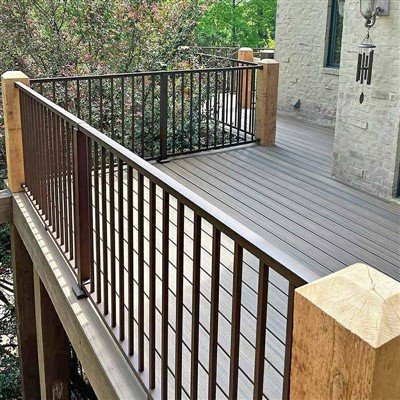
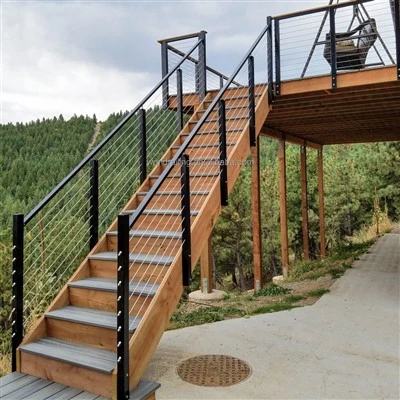
Before we start the actual installation, it's important to understand what cable railing is. Cable railing gives a modern and sleek look, making it super popular for decks, stairs, and balconies. You can find different types on our website, like Steel Cable Railing and Horizontal Aluminum Cable Railing.
The curved surface installation is a bit of a challenge because you need to make sure the cables follow the curve smoothly without any kinks or gaps. This requires careful planning and the right tools.
Planning Your Installation
First things first, you need to measure the curved surface accurately. Use a flexible measuring tape to get the exact length and the radius of the curve. This will help you determine how much cable and how many posts you'll need.
Next, decide on the spacing between the cables. The standard spacing is usually around 3 - 4 inches, but you can adjust it according to your needs and local building codes.
Once you have the measurements and spacing in mind, it's time to pick the right railing system. We have a great selection of Modern Cable Railing that can work well on curved surfaces.
Tools You'll Need
Here's a quick list of the tools you'll need for this project:
- Drill
- Screwdriver
- Hack saw
- Measuring tape
- Level
- Cable tensioner
- Cable cutter
Installing the Posts
The posts are the foundation of your cable railing system. Start by marking the locations where you'll install the posts. Make sure they're evenly spaced and follow the curve of the surface.
Use a drill to create holes in the marked spots, and then insert the posts. Make sure the posts are level and plumb. You can use a level to check this. Once the posts are in place, secure them with screws or bolts.
Threading the Cables
Now, it's time to thread the cables through the posts. Start at one end of the curve and work your way to the other. Make sure the cables are tight and follow the curve smoothly. You may need to use a cable tensioner to adjust the tension as you go.
Use a cable cutter to cut the cables to the appropriate length. Make sure to leave a little extra length at each end for attaching the end fittings.
Attaching the End Fittings
Once the cables are in place, it's time to attach the end fittings. These fittings help secure the cables and give the railing a finished look.
Follow the manufacturer's instructions to attach the end fittings. Make sure they're tight and secure. You may need to use a screwdriver or wrench to tighten the fittings.
Adjusting the Tension
After attaching the end fittings, you'll need to adjust the tension of the cables. Use a cable tensioner to tighten the cables until they're taut. Make sure the tension is even across all the cables.
Check the tension regularly as you work to ensure that the cables are following the curve properly. You may need to make some adjustments as you go.
Finishing Touches
Once you're satisfied with the tension and the overall look of the railing, it's time to add the finishing touches. You can use a file to smooth any rough edges on the cables or posts.
You may also want to apply a protective coating to the cables and posts to prevent rust and corrosion. This will help extend the life of your railing system.
Maintenance Tips
To keep your cable railing looking great and functioning properly, you'll need to do some regular maintenance. Here are a few tips:


- Clean the cables and posts regularly with a mild detergent and water.
- Check the tension of the cables periodically and adjust as needed.
- Inspect the posts and end fittings for any signs of damage or wear.
- Replace any damaged or worn parts immediately.
Why Choose Our Cable Railing?
As an outdoor cable railing supplier, we offer high-quality products that are designed to last. Our Horizontal Cable Railing and Wire Railing Systems are made from durable materials and are available in a variety of styles and finishes.
We also provide excellent customer service and support. If you have any questions or need help with your installation, our team is here to assist you.
Contact Us for More Information
If you're interested in purchasing our cable railing products or have any questions about the installation process, feel free to reach out to us. We'd love to help you create the perfect outdoor space with our cable railing.
References
- "Cable Railing Installation Guide" - General industry guide for cable railing installation.
- Manufacturer's instructions for specific cable railing products.