In the realm of industrial design and safety infrastructure, the choice of railing systems is a critical decision that impacts both functionality and aesthetics. As a seasoned glass railing supplier, I've witnessed firsthand the growing interest in using glass railings in industrial settings. This blog post aims to explore the viability, benefits, and considerations of incorporating glass railings in industrial facilities.
The Viability of Glass Railings in Industrial Environments
Industrial facilities are often characterized by heavy machinery, high traffic, and specific safety requirements. Traditionally, metal or wooden railings have been the go - to choice due to their perceived durability and strength. However, modern glass technology has made glass railings a viable option for industrial use.
Strength and Safety
Today's glass used in railing systems is engineered to be incredibly strong. Tempered glass, for instance, is heat - treated to increase its strength compared to regular glass. It can withstand significant impact and pressure, making it suitable for industrial areas where there may be accidental collisions or heavy loads.
Laminated glass is another option. It consists of multiple layers of glass bonded together with an interlayer. In the event of breakage, the glass shards adhere to the interlayer, reducing the risk of sharp debris flying around, which is a crucial safety factor in industrial environments.
Visibility
One of the most significant advantages of glass railings in industrial facilities is the improved visibility. Unlike traditional opaque railings, glass railings allow for unobstructed views, enhancing situational awareness for workers. This is particularly important in areas where machinery is in operation, as it enables operators to have a clear line of sight and be more aware of their surroundings, potentially reducing the risk of accidents.
Types of Glass Railing Systems Suitable for Industrial Applications
As a glass railing supplier, we offer a variety of systems that can meet the diverse needs of industrial facilities:


Frameless Glass Railing System
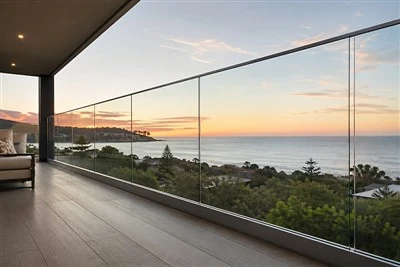
A frameless glass railing system provides a sleek and modern look. In industrial settings, it can create an open and spacious feel, which is beneficial for large warehouses or manufacturing plants. The absence of frames not only reduces visual clutter but also makes the railing easier to clean and maintain.
Exterior Glass Railing System
For industrial facilities with outdoor areas such as loading docks or exterior walkways, an exterior glass railing system is an excellent choice. It is designed to withstand harsh weather conditions, including rain, wind, and sunlight. The glass is often treated to resist fading, corrosion, and other environmental damage.
Frameless Aluminum Glass Railing System
Combining the strength of aluminum with the transparency of glass, this system offers a high - performance solution for industrial use. The aluminum components provide additional support and stability, while the frameless design maintains the clear view.
Glass Panel Railing System
Glass panel railing systems are modular and customizable, making them adaptable to different industrial layouts. They can be installed in a variety of configurations, such as straight runs, curves, or angles, to fit the specific needs of the facility.
Outdoor Glass Balustrade
An outdoor glass balustrade is perfect for industrial terraces, balconies, or elevated platforms. It offers both safety and a contemporary aesthetic, enhancing the overall appearance of the facility while providing protection for workers.
Considerations for Using Glass Railings in Industrial Facilities
Maintenance
While glass railings are generally easy to maintain, industrial environments may present unique challenges. The glass can accumulate dust, dirt, and grime from machinery operations and outdoor elements. Regular cleaning is essential to maintain its transparency and appearance. However, the cleaning process should be carried out using appropriate cleaning agents and equipment to avoid scratching the glass.
Cost
Compared to traditional railing materials, glass railings can be more expensive upfront. The cost of the glass, specialized installation, and any additional safety features all contribute to the overall price. However, it's important to consider the long - term benefits, such as reduced maintenance costs and improved safety, which can offset the initial investment.
Regulatory Compliance
Industrial facilities are subject to strict safety regulations and codes. Before installing glass railings, it's crucial to ensure that the chosen system meets all relevant local, national, and industry - specific standards. This may include requirements for glass strength, height, and spacing.
Case Studies: Glass Railings in Industrial Success
There are numerous examples of industrial facilities that have successfully integrated glass railings. For instance, a large automotive manufacturing plant replaced its old metal railings with a frameless glass railing system in its assembly area. The improved visibility led to a significant reduction in minor accidents as workers could better see the movement of equipment and other personnel.
In a chemical processing facility, an exterior glass railing system was installed along the loading docks. The railing's resistance to corrosion and harsh chemicals ensured its longevity, while the clear view improved the efficiency of the loading and unloading operations.
Conclusion: The Future of Glass Railings in Industrial Facilities
In conclusion, glass railings can indeed be used in industrial facilities, offering a range of benefits from enhanced safety and visibility to a modern aesthetic. As a glass railing supplier, we are committed to providing high - quality systems that meet the specific needs of industrial clients.
If you're considering incorporating glass railings into your industrial facility, we invite you to contact us for a consultation. Our team of experts can help you choose the right system, ensure regulatory compliance, and provide professional installation services. We look forward to working with you to create a safer and more visually appealing industrial environment.
References
- ASTM International. (Year). Standard specifications for safety glass materials for glazing motor vehicles operating on land highways.
- Building Codes Institute. (Year). International Building Code.
- Glass Association of North America. (Year). Technical information on glass railing systems.