When it comes to outdoor railing systems, the wind - resistance capabilities of cable railing play a crucial role. As a cable railing supplier, I've witnessed firsthand the increasing demand for these elegant and practical railing solutions, and I'm well - aware of the importance of their ability to withstand wind forces.
Understanding Wind Forces
Before delving into the wind - resistance capabilities of cable railing, it's essential to understand the nature of wind forces. Wind is a dynamic force that can exert pressure on structures in various ways. The magnitude of wind pressure depends on several factors, including wind speed, the shape and size of the structure, and its orientation relative to the wind direction.
In areas prone to high winds, such as coastal regions or mountainous areas, the wind can generate significant lateral forces on railings. For example, during a severe storm, wind speeds can reach extremely high levels, creating substantial pressure on any exposed structure. This pressure can cause damage to railings if they are not designed to handle it properly.
Design Features Affecting Wind Resistance
Cable Tension
One of the key factors that determine the wind - resistance capabilities of cable railing is the tension of the cables. Properly tensioned cables are essential for maintaining the structural integrity of the railing system. When cables are under tension, they distribute the wind load evenly across the entire structure. If the cables are too loose, they may sag under the wind pressure, increasing the risk of deformation or even failure. On the other hand, over - tensioned cables can cause excessive stress on the posts and other components, leading to premature wear and tear.
Post Design and Placement
The design and placement of the posts also have a significant impact on the wind - resistance of cable railing. Sturdy and well - anchored posts are necessary to support the cables and resist the lateral forces exerted by the wind. The spacing between the posts is also crucial. Closer post spacing generally results in a more rigid railing system that can better withstand wind forces. Additionally, the shape and cross - sectional area of the posts can affect their ability to resist wind pressure. For example, posts with a larger cross - sectional area may be more resistant to bending and buckling under high wind loads.
Cable Material
The material of the cables used in the railing system is another important consideration. High - strength steel cables are commonly used in cable railing due to their excellent tensile strength and durability. Steel cables can withstand significant amounts of stress and are less likely to break or deform under wind pressure compared to other materials. Galvanized steel cables, in particular, offer additional corrosion resistance, which is important for outdoor applications where the railing may be exposed to the elements.
Types of Cable Railings and Their Wind - Resistance
Modern Cable Railing
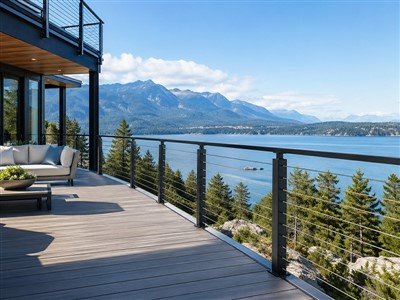
Modern Cable Railing is known for its sleek and contemporary design. These railings often feature thin, horizontal cables that provide an unobstructed view while still offering a high level of safety. In terms of wind resistance, modern cable railing can perform well if it is properly designed and installed. The horizontal orientation of the cables allows the wind to pass through more easily, reducing the overall wind load on the structure. However, the tension of the cables and the strength of the posts must be carefully considered to ensure that the railing can withstand strong winds.
Steel Cable Deck Railing
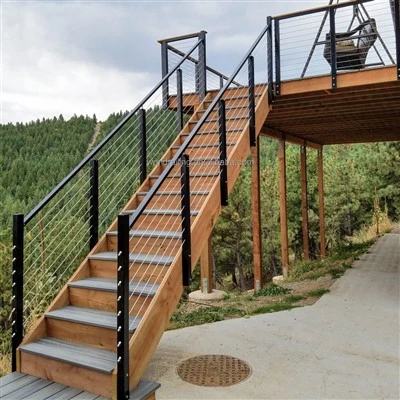
Steel Cable Deck Railing is a popular choice for decks and patios. These railings typically use thick steel cables to provide maximum strength and security. The thicker cables can better resist the pulling forces caused by the wind, making them a good option for areas with high wind exposure. Additionally, the posts of steel cable deck railing are often designed to be more robust, providing additional support against wind forces.
Horizontal Cable Railing
Horizontal Cable Railing has a classic look that complements a variety of architectural styles. Similar to modern cable railing, the horizontal cables allow the wind to flow through, minimizing the wind pressure on the railing. However, the number of cables and their spacing can affect the wind - resistance. A railing with more closely spaced cables may offer better resistance to wind forces, but it may also reduce the view.
Vertical Cable Railing
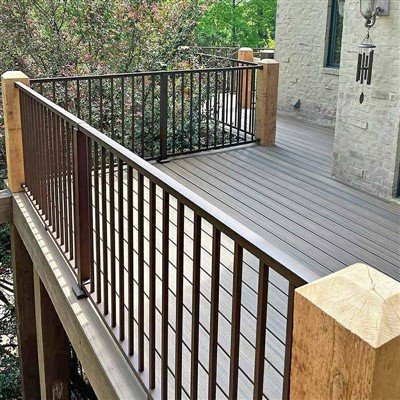
Vertical Cable Railing presents a unique aesthetic and can be an effective solution for wind resistance. The vertical orientation of the cables provides more direct support against the lateral forces of the wind. This type of railing is often used in areas where there is a need for a more substantial barrier against wind and other external forces. The posts of vertical cable railing must be carefully designed to anchor the cables securely and resist the wind - induced loads.
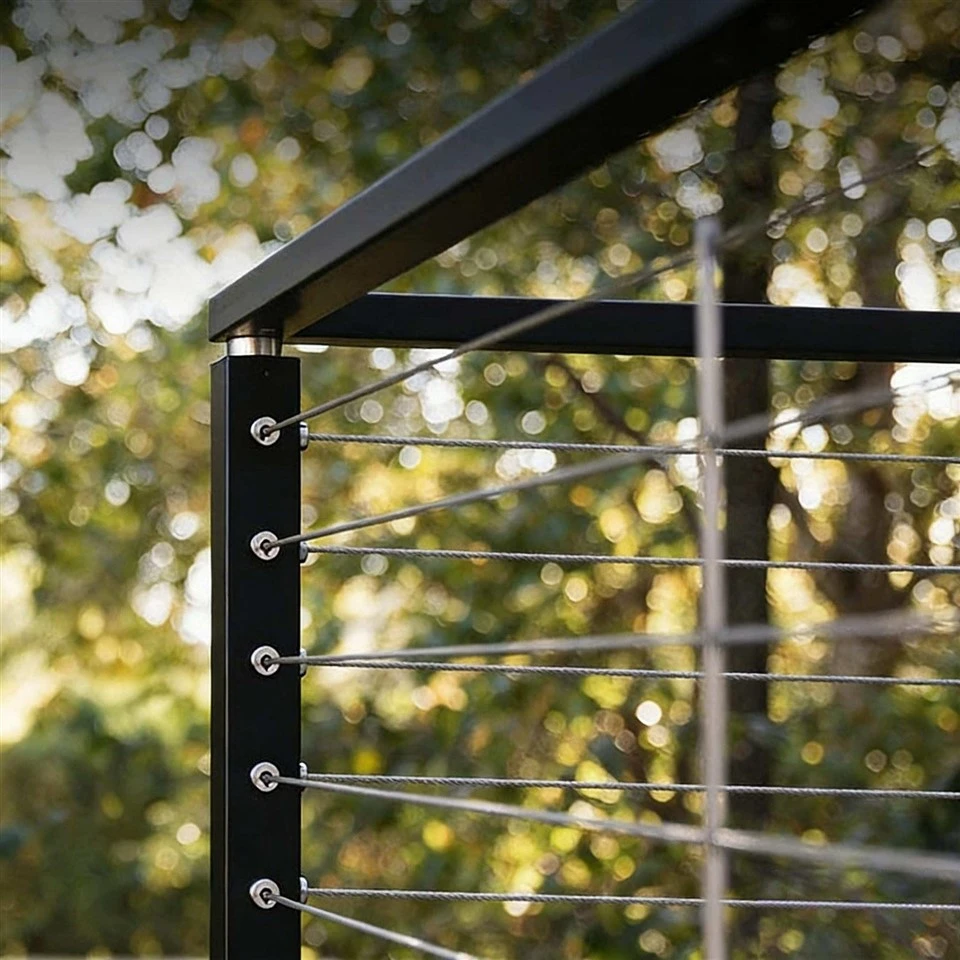

Wire Railing Systems
Wire Railing Systems are versatile and can be customized to meet different design and wind - resistance requirements. These systems typically use wires of various gauges and materials, which can be adjusted to optimize the wind - resistance. Finer gauge wires may allow more wind to pass through, reducing the overall wind load, while thicker wires can provide greater strength and resistance.
Testing and Certification
To ensure the wind - resistance capabilities of cable railing, rigorous testing and certification processes are often employed. Manufacturers subject their railing systems to various wind load tests in controlled environments to simulate real - world conditions. These tests measure the ability of the railing to withstand different wind speeds and directions without failure.
Certifications from recognized organizations, such as the International Building Code (IBC) or the American Society for Testing and Materials (ASTM), provide assurance that the cable railing meets specific safety and performance standards. When choosing a cable railing system, it's important to look for products that have been tested and certified to ensure their reliability in windy conditions.
Maintenance for Optimal Wind Resistance
Proper maintenance is essential for maintaining the wind - resistance capabilities of cable railing over time. Regular inspections should be conducted to check for signs of wear, damage, or corrosion. Loose cables should be tightened, and any damaged components should be replaced promptly.
In addition, cleaning the cables and posts can help prevent corrosion, which can weaken the structure and reduce its ability to withstand wind forces. For steel cables, applying a protective coating can provide an extra layer of protection against rust and other forms of corrosion.
Conclusion
The wind - resistance capabilities of cable railing are influenced by a variety of factors, including cable tension, post design and placement, cable material, and the type of railing system. As a cable railing supplier, I'm committed to providing high - quality products that are designed to withstand the rigors of high - wind environments. Whether you're looking for Modern Cable Railing, Steel Cable Deck Railing, Horizontal Cable Railing, Vertical Cable Railing, or Wire Railing Systems, we have the expertise and products to meet your needs.
If you're interested in learning more about our cable railing solutions or would like to discuss your specific wind - resistance requirements, please feel free to reach out to us for a detailed consultation. We're here to help you make the right choice for your project.
References
- International Building Code (IBC).
- American Society for Testing and Materials (ASTM).
- Various technical papers on structural engineering and wind loads.