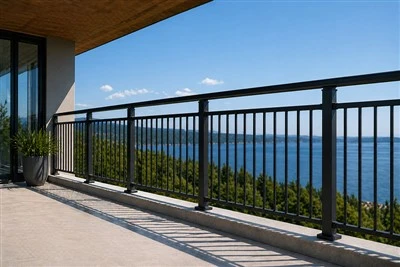
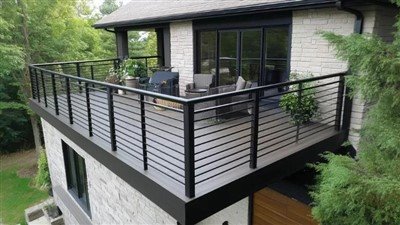
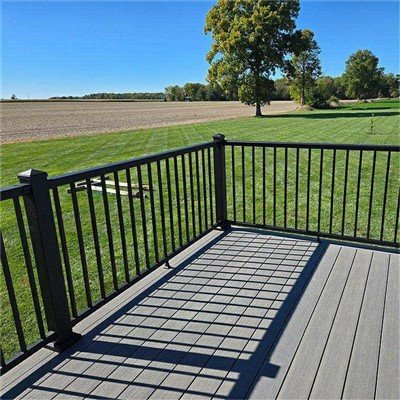
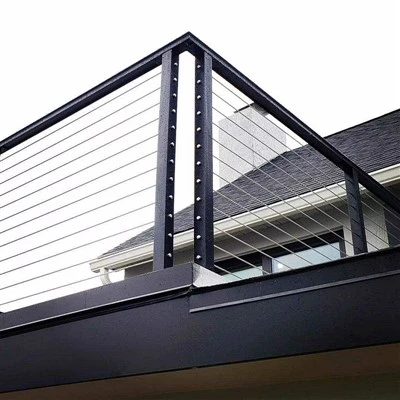
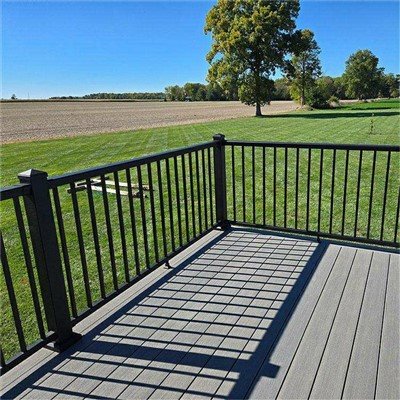
The core function of stainless steel railings is to achieve both protection and aesthetic enhancement. They are widely used in various settings such as residences, municipal roads, bridges, parks, and shopping malls, and are an indispensable supporting facility in modern architecture. Their core function lies in safety protection, effectively preventing people and objects from accidentally falling or crossing, ensuring personal and property safety. For example, stainless steel railings on residential balconies and staircases can prevent children from climbing and items from falling, strengthening the home's safety defenses.
At the same time, stainless steel has the advantages of corrosion resistance, rust resistance, and high aesthetic appeal. It requires no frequent maintenance; regular wiping is sufficient to keep it clean and beautiful. It can adapt to different decoration styles, enhancing the overall style of the scene, and can function stably for a long time, balancing practicality and decoration, making it a preferred protective and decorative product for various scenarios.
Stainless steel railings are a multi-functional protective building material. Their main functions include:
1. Protecting personal safety. In public places such as shopping malls, schools, and hospitals, stainless steel railings can separate crowds from vehicles, preventing cross-contamination and road chaos.
2. Anti-theft function. Stainless steel railings can be installed around buildings to prevent theft and improve building security.
3. Aesthetics: Stainless steel railings can be designed to blend seamlessly with the surrounding environment, enhancing its appearance.
4. Pedestrian Guidance: In areas with high pedestrian traffic, stainless steel railings can guide pedestrians and prevent crowding.