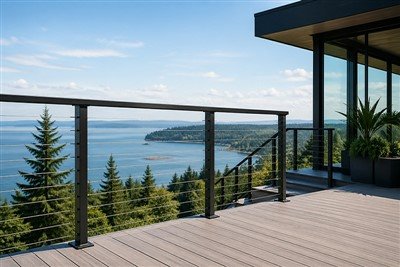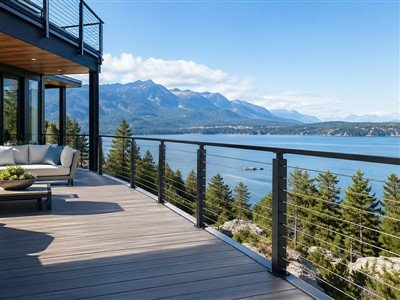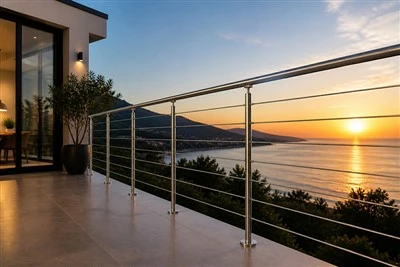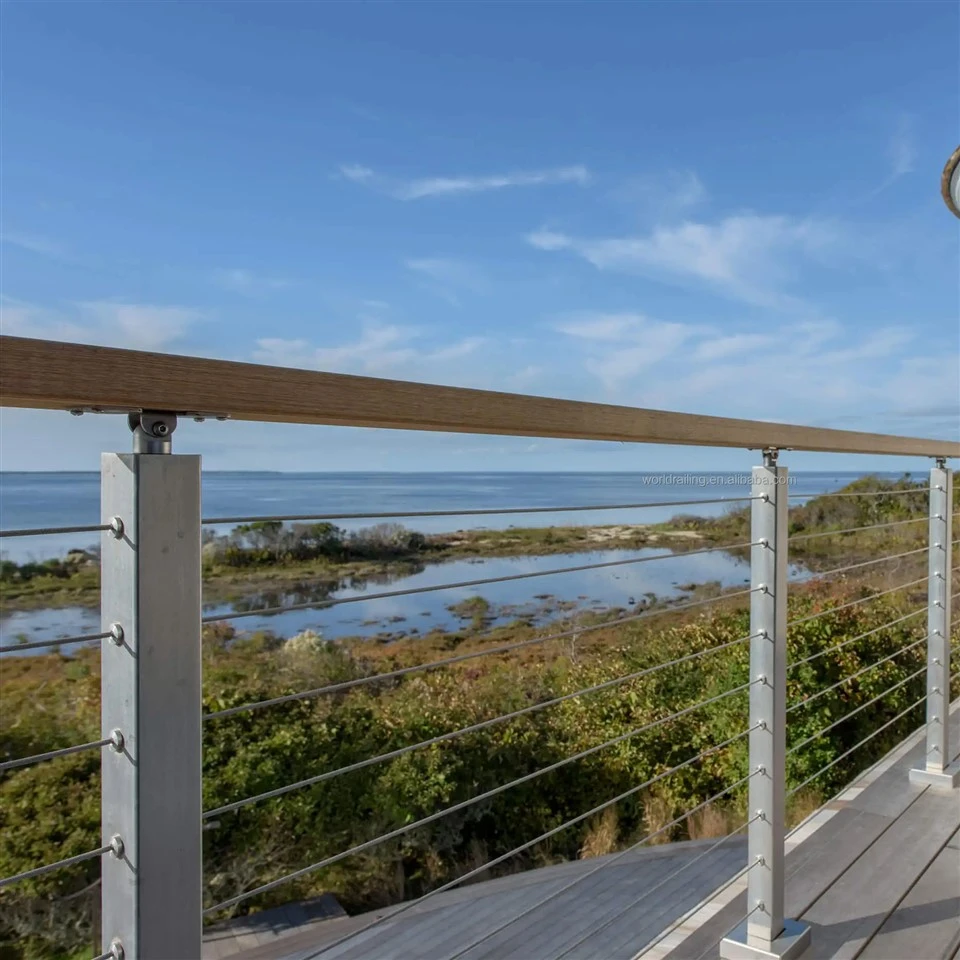
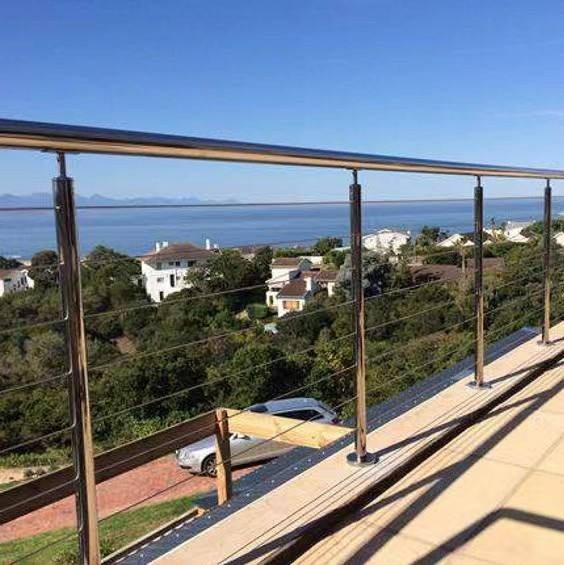
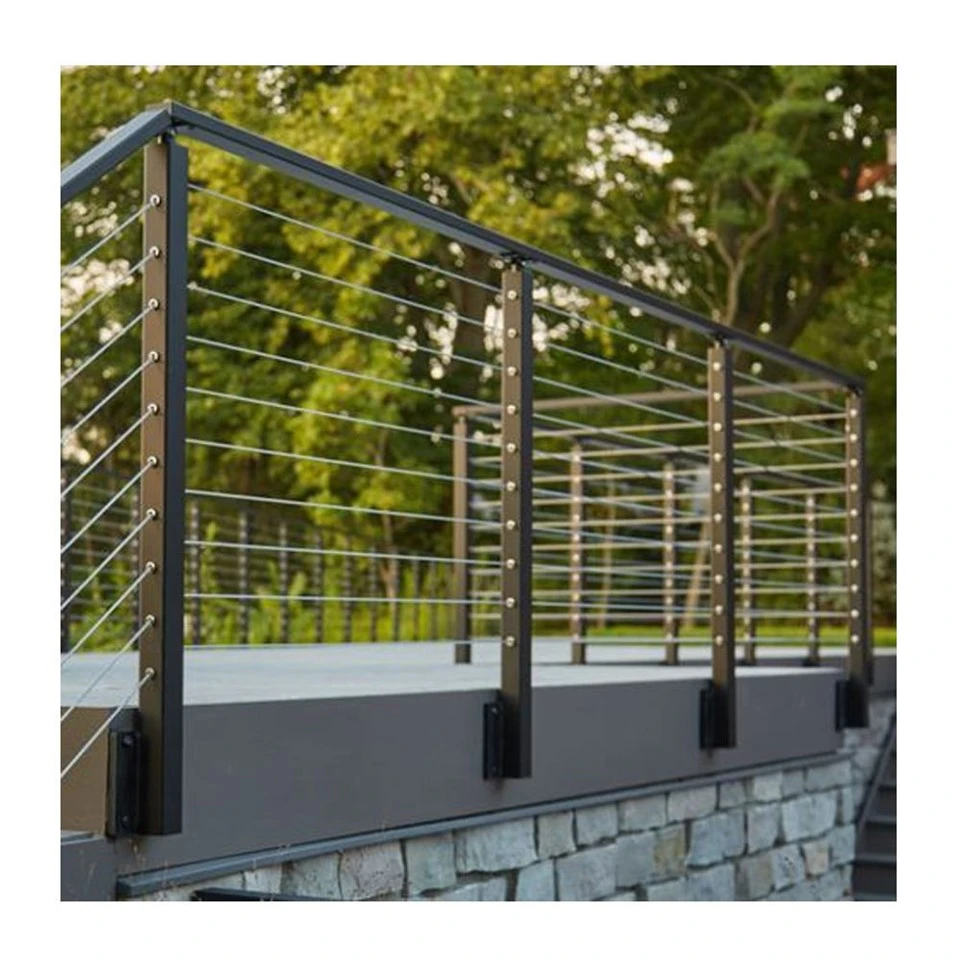
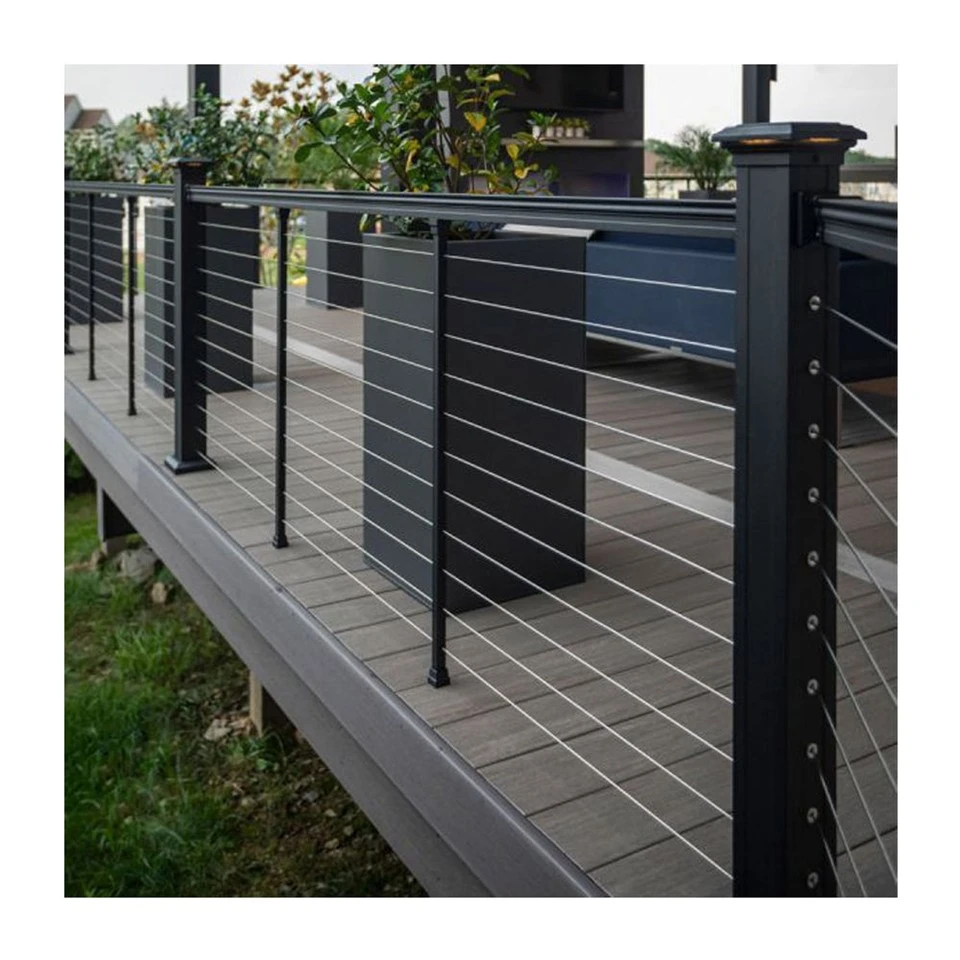
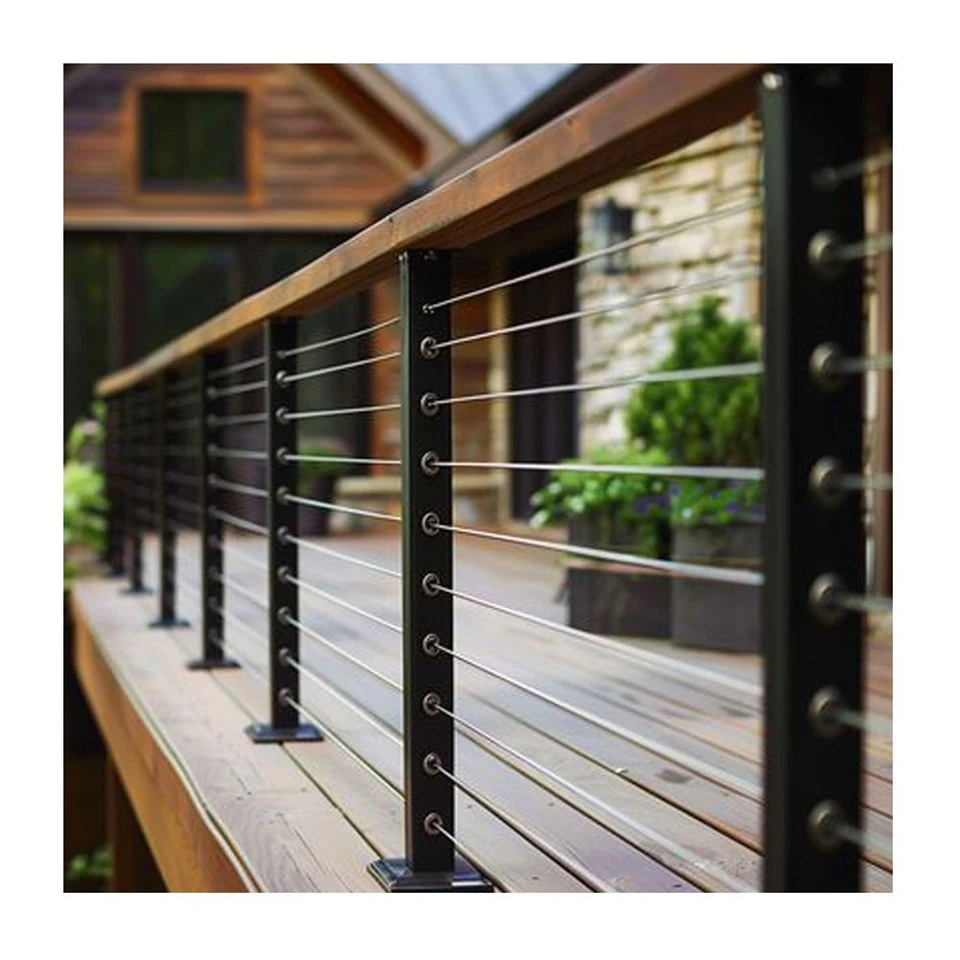
ZP Aluminum Co., Ltd. is one of the most reliable manufacturers and suppliers of metal cable railing in China. If you're going to buy bulk high quality metal cable railing made in China, welcome to get quotation from our factory. We also accept customized orders.
Metal Cable Railing Systems - Aluminum & Steel Frames Built to Your Spec
The cable is the same stainless line in every system you will see. What separates a project that passes inspection on the first visit from one that fights the building department for a month is the frame. This page is about the metal frame - aluminum or steel posts and rails with 316 stainless cable - how a metal frame behaves differently from wood, what aluminum and steel each buy you, and how we engineer the whole assembly to your drawing. The cable itself (diameter, construction, grade) is on our Steel Cable Railing page; horizontal and vertical run geometry is on the Horizontal and Vertical Cable Railing pages.

Pick the right page for your question
Specifying the cable material (diameter, 1×19, 316 vs 304)? Go to Steel Cable Railing.
Designing a horizontal or vertical run (post moments, spacing)? See Horizontal or Vertical Cable Railing.
Choosing the frame - metal vs wood, aluminum vs steel? You are in the right place.
The Frame Decides the Project
The thin stainless lines get the attention, but the frame does the structural work. A cable guard is only as compliant as the posts and rails holding the tension - and tension is exactly what a guard has to resist. Metal frames, aluminum or steel, are engineered members: extruded or welded sections with defined stiffness, pre-drilled for the cable, and finished so they do not rot, rust or demand annual staining. That is a different animal from a wood post with a hole drilled through it, and it is why two "cable railings" that look identical in a brochure can behave nothing alike on site.

Metal Frame vs Wood Frame - the Comparison That Actually Matters
When a buyer types "metal cable railing," what they are really weighing is a metal frame against the wood-frame alternative. This is the table that should drive the decision:
| Factor | Metal frame (aluminum / steel) | Wood frame |
| Rigidity under tension | Holds cable tight; posts stay plumb; wider, code-clean spacing. | Flexes; cable needs more frequent re-tensioning; posts set closer. |
| Maintenance | Occasional wash. No stain, no seal, no rot, no paint. | Stain or seal every 1–3 yrs; rot, split and pest risk in the open. |
| Lifespan | 50+ years for powder-coated aluminum or steel. | 10–20 years with real effort. |
| First cost vs life cost | Higher up front, lower per year over the building's life. | Cheaper now, costly to refinish and replace over time. |
| Code pass | Predictable, engineered; passes first inspection. | Depends on joinery; more inspector judgment calls. |
| Look | Slim, modern, color-stable for decades. | Warm, classic - but grays without upkeep. |
Wood is not wrong. It is the right call for a rustic match to a wood deck on a tight budget, and a pre-existing wood post line is the easiest cable retrofit there is. But on a commercial balcony, a coastal deck, or anywhere the railing is a safety device first, a metal frame is the lower-risk engineering choice - and the one that survives the warranty period without a service truck.
Aluminum vs Steel - Two Metal Frames
"Metal" is not one material. Within the metal frame family, aluminum and steel buy you different things, and the right pick depends on span, weight and look:
| Aluminum (6063-T6 / 6061-T6) | Box Size/cm | |
| Weight | ~3× lighter than steel; easy to handle and ship. | Heavy; long runs may need lifting gear. |
| Corrosion | Inherent resistance; will not rust. | Needs coating; 316 stainless is marine-proof, mild steel needs paint. |
| Strength | Strong enough for most residential and many commercial spans. | Highest strength and rigidity; best for abuse and max spans. |
| Cost | Lower material cost for the frame. | Higher; the premium "industrial" look. |
| Best for | Most homes, balconies, rooftops, retrofits. | Heavy-traffic, industrial, or where the mass is the design. |
We default to 6063-T6 aluminum with an AAMA 2604 powder coat for the frame - it is the sweet spot of stiffness, weight and cost, and it will not rust. Steel comes in where the architect wants the mass, the spec demands the rigidity, or a span pushes past what aluminum comfortably carries.
What the Metal Frame Actually Does
A metal frame is a small structure, not a stick with holes. The parts earn their keep:
- End posts are tension terminals. Every cable in a run pulls back to the anchored ends, so those posts take the full load. In metal they stay put; the run stays straight.
- The top rail ties it together. On level runs it can double as the graspable handrail if it meets the 1¼–2 in diameter rule; on stairs a separate round rail is added.
- Span. Typical post spacing is 4–6 ft; engineered aluminum reaches 8 ft on-center, which is what lets a long deck read as one clean run.
- Bottom rail is optional. Stiff extruded aluminum profiles can meet guard load without a bottom rail, opening the view - a choice wood frames rarely earn.
- Code. Engineered to ICC-ES AC273 (guard and infill load + deflection), 36 in residential / 42 in IBC, the 4 in sphere rule, and 200 lb concentrated / 50 lb-per-foot loading.
Powder Coat & Color
The finish is what keeps a metal frame looking new for decades, and the grade matters by location:
AAMA 2604 - the standard exterior grade for most sites.
AAMA 2605 - the superdurable grade for coastal and harsh exposure (validated against ASTM B117 salt-spray). A scratched 2604 in salt air can let corrosion start; 2605 resists it. Coastal projects should budget for 2605.
Color. Matte black, textured white, bronze and weathered brown as standards, plus custom RAL on request. The polyester powder is heat-bonded to the metal - no painting for the life of the rail.
Typical Metal Cable Railing Specification
| Parameter | Standard |
| Frame material | Aluminum 6063-T6 (steel on request) |
| Finish | AAMA 2604 powder coat (AAMA 2605 coastal) |
| Post spacing | 4–6 ft; up to 8 ft engineered |
| Mount | Surface or fascia; wood / composite / concrete |
| Cable | 316 stainless 1×19 - full detail on Steel Cable Railing |
| Guard height | 36 in residential · 42 in IBC / commercial |
| Load | 200 lb concentrated · 50 lb/ft · 50 lb/sq ft infill |
| Code | ICC-ES AC273 · IBC / IRC |
| Handrail | Round 1¼–2 in graspable (stairs: separate rail) |
Cable diameter, break strength and tension values are covered on the Steel Cable Railing page; run orientation and post-moment engineering on the Horizontal and Vertical Cable Railing pages.


Engineered and Built to Your Drawing
A metal cable railing is a system we engineer, not a kit we ship. Send the run lengths, post positions, heights and substrate; we return a panel-and-post schedule, the cable count and lengths, the tensioner list, and the load-and-deflection notes your inspector will ask for - with PE stamp support where the jurisdiction requires it.
- Mix the look. Aluminum posts with a wood top rail for a modern-farmhouse feel, full metal, or a hybrid; finish in standard or custom RAL. Coastal orders get 316 hardware by default.
- Cut to length. Posts are drilled to your cable count and crated per run, so field work is assembly, not fabrication.
- Direct from the factory. Mill pricing on frame and 316 cable - no distributor markup; small-batch and container loads both supported.
- Quoted fast. Send your layout and we return posts, cable, fittings and freight in one line - usually within two business days.
Frequently Asked Questions
Q: Is a metal frame cable railing better than wood?
A: For most exterior and any commercial project, yes. A metal frame holds cable tension without flexing, needs no staining or sealing, and lasts 50+ years versus 10–20 for wood. Wood is the right pick for a rustic match on a tight budget or the easiest cable retrofit onto existing wood posts - but it demands more maintenance and re-tensioning over time.
Q: Aluminum or steel frame - which should I choose?
A: Aluminum (6063-T6) is the default: about a third the weight of steel, no rust, lower frame cost, and stiff enough for most spans up to 8 ft. Choose steel when the design wants the mass, the span or abuse load pushes past aluminum, or a heavy industrial look is specified. Both take a durable powder coat.
Q: Do metal posts hold cable tension better than wood?
A: Yes. Wood flexes under the pull of tensioned cable, so lines need more frequent re-tensioning and posts sit closer to keep the 4-inch gap closed. Metal posts stay plumb and transfer the load to the anchors, giving wider, code-clean spacing and a run that holds its setting between annual checks.
Q: How long does a metal cable railing actually last?
A: A powder-coated aluminum or steel frame runs 50+ years with only occasional cleaning; the 316 stainless cable itself stays functional 30+ years. That is the whole life-cost argument: higher up front than wood, but it avoids the refinish-and-replace cycle that wood frames fall into after a decade or two.
Q: Can I mix a metal frame with a wood top rail?
A: Yes - it is a popular "modern farmhouse" look: slim aluminum posts with a wood cap rail. We build the metal frame to spec and leave the wood top rail for you to supply or we source it, provided the rail meets the graspable diameter rule where a handrail is required (always on stairs).
Q: What powder coat grade do I need near the coast?
A: Specify AAMA 2605, the superdurable grade validated against ASTM B117 salt-spray, for any coastal or harsh site. The standard AAMA 2604 is fine inland, but a scratch in 2604 exposed to salt air can start corrosion. Coastal orders should also default to 316 stainless hardware throughout, not just the cable.
Q: Do metal cable railings need a bottom rail?
A: Not always. Stiff extruded aluminum profiles can meet guard load without a bottom rail, which opens the view and is a common spec on modern decks. A bottom rail is added when the design calls for it or where local code expects the extra line - we note it on the drawing we return to you.
Q: Can you build the frame to my exact dimensions?
A: Yes. Send run lengths, post positions, heights and substrate and we return a panel/post schedule, cable count and lengths, tensioner list, and load-and-deflection notes for code - with PE stamp support where required. Posts are cut to length and pre-drilled per your cable count, crated per run, and quoted usually within two business days.
Hot Tags: metal cable railing, China metal cable railing manufacturers, suppliers, factory, Black Aluminum Cable Railing, cable railing, commercial cable railing systems, Modern Aluminum Cable Railing, Outdoor Aluminum Cable Railing, outdoor cable railing systems