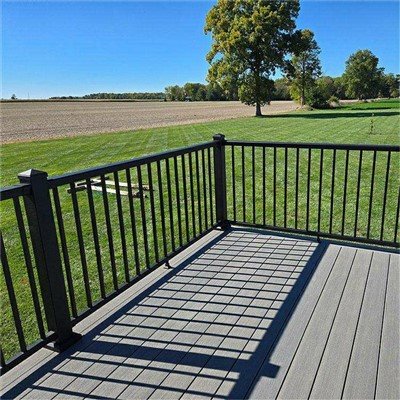
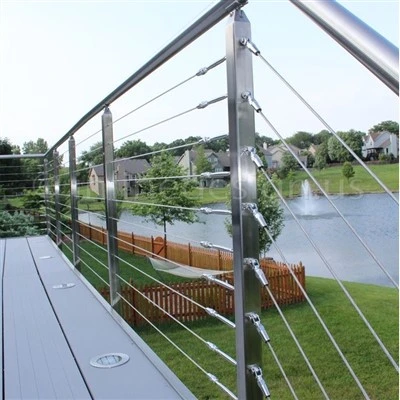
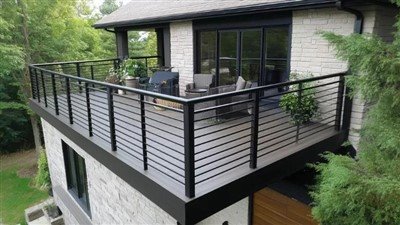
Alright, folks! As a supplier of Outdoor Cable Railing, I often get asked about the snow load capacity of these bad boys. It's a crucial question, especially for those living in areas with heavy snowfall. So, let's dive right in and explore what the snow load capacity of outdoor cable railing really means.
First things first, what exactly is snow load? Snow load is the amount of weight that snow puts on a structure. It's measured in pounds per square foot (psf). The snow load in a particular area depends on several factors, like the average snowfall, the shape of the roof or railing (in our case), and how long the snow stays on the structure.
Now, when it comes to outdoor cable railing, the snow load capacity is all about how much snow the railing can handle without getting damaged. You don't want your beautiful Outdoor Cable Railing to buckle under the weight of snow, right?
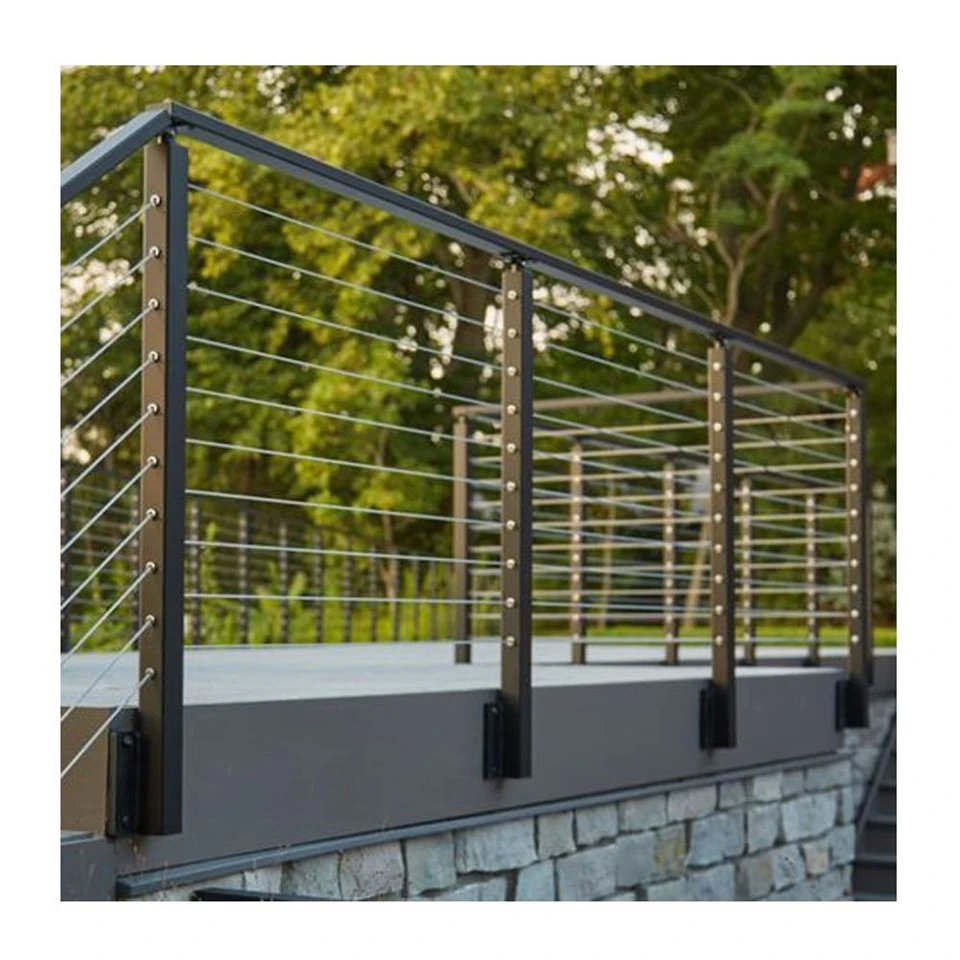
The snow load capacity of outdoor cable railing is influenced by a few key elements. One of them is the type of cable used. We offer different types of cables in our Metal Cable Railing, and each has its own strength and durability. For instance, steel cables are known for their high tensile strength, which means they can withstand a greater amount of stress. This makes them a great choice for areas with heavy snow loads.
Another factor is the spacing between the cables. In our Vertical Cable Railing, the closer the cables are to each other, the better the railing can distribute the weight of the snow. If the cables are too far apart, the snow might accumulate in the gaps and put extra pressure on the individual cables, increasing the risk of damage.
The posts and brackets that support the cables also play a huge role in determining the snow load capacity. Strong and well - installed posts can provide the necessary stability. Our Steel Cable Deck Railing comes with high - quality posts and brackets that are designed to handle various loads, including snow.
Let's talk about some real - world scenarios. In areas with light snowfall, say an average of less than 10 inches per year, most outdoor cable railing systems can handle the snow without any issues. The snow usually doesn't accumulate enough to put a significant strain on the railing. But in regions with heavy snowfall, like the Rocky Mountains or the Northeast of the United States, where snow can pile up several feet high, you need a railing system with a high snow load capacity.
Our Aluminum Cable Railing System is a great option for various environments. Aluminum is corrosion - resistant and relatively lightweight, but don't be fooled by its lightness. When properly engineered and installed, it can handle a good amount of snow load. The key is to use the right gauge of aluminum and have a well - designed support structure.
When installing outdoor cable railing in a snowy area, it's not just about choosing the right materials. Proper installation is crucial. The cables need to be tightened to the correct tension. If they're too loose, the snow can cause them to sag, and if they're too tight, they might break under the stress of the snow. The posts should be firmly anchored to the ground or the deck to ensure stability.
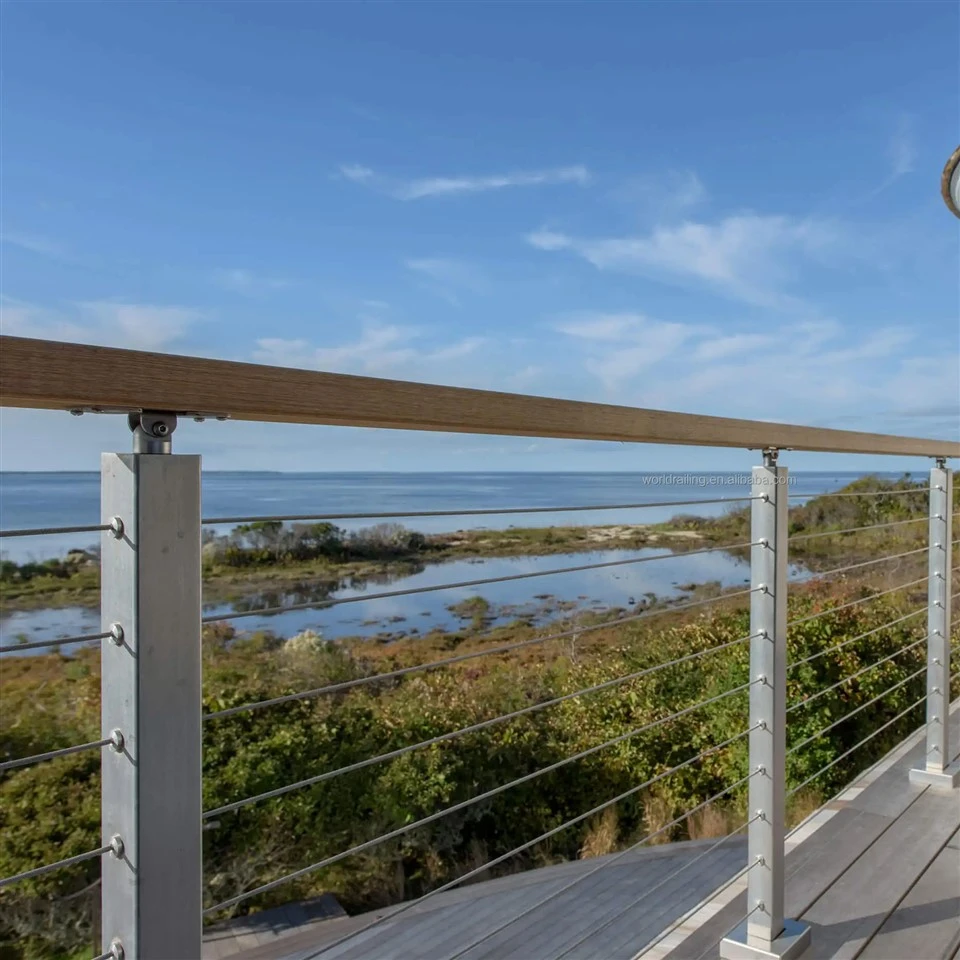
It's also a good idea to have a maintenance plan in place. After a heavy snowfall, you might want to gently remove the snow from the railing to reduce the load. Use a soft brush or a broom to avoid scratching the cables or the posts.
Now, let's get a bit technical about calculating the snow load capacity. There are building codes and standards that provide guidelines on this. These codes take into account the geographical location, the elevation, and the historical snowfall data of an area. For example, the International Building Code (IBC) has specific requirements for snow loads on different types of structures, including railings.
But don't worry if you're not a math whiz. As a professional Outdoor Cable Railing supplier, we have the expertise to help you figure out the right snow load capacity for your specific location. We can analyze the local weather conditions and recommend the best railing system for you.
In addition to the snow load, you also need to consider other environmental factors. Ice and wind can combine with the snow to create even more stress on the railing. For example, ice can add extra weight, and strong winds can push the snow - laden railing sideways. Our railing systems are designed to handle these combined loads, but it's still important to be aware of them.
So, if you're in the market for outdoor cable railing and you live in a snowy area, you need to make an informed decision. Don't just go for the cheapest option. Look at the quality of the materials, the design of the system, and the reputation of the supplier.
We've been in the business of providing high - quality outdoor cable railing for a long time, and we know what it takes to ensure that our products can withstand the elements. Whether you need a simple railing for your backyard deck or a more complex system for a commercial property, we've got you covered.
If you're interested in learning more about our outdoor cable railing products and their snow load capacity, feel free to reach out to us. We're here to answer all your questions and help you make the best choice for your project. Whether it's Metal Cable Railing, Steel Cable Deck Railing, Vertical Cable Railing, Outdoor Cable Railing, or Aluminum Cable Railing System, we have a wide range of options to suit your needs.
Contact us today to start the conversation about your outdoor cable railing project. We're looking forward to helping you create a safe and beautiful outdoor space.
References
- International Building Code (IBC)
- Local building codes and regulations