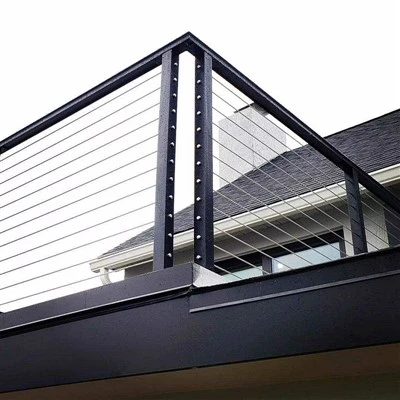
When it comes to purchasing cable railing for your project, understanding the differences between various types is crucial. As a supplier of cable railing, I've encountered numerous customers seeking guidance on which type best suits their needs. In this blog post, I'll delve into the distinctions among different cable railing types to help you make an informed decision.
Material Composition
One of the primary factors that differentiate cable railing types is the material used in their construction. The most common materials include steel and aluminum, each with its own set of characteristics.
Steel Cable Railing
Steel cable railing is renowned for its strength and durability. Steel cables can withstand significant tension, making them ideal for applications where safety and security are paramount. Whether it's a high - rise balcony or a commercial staircase, steel cable railing provides reliable support. Additionally, steel has a sleek and modern appearance that complements a wide range of architectural styles. You can find more information about Steel Cable Railing.
However, steel is prone to corrosion, especially in outdoor environments with high humidity or exposure to saltwater. To mitigate this issue, many steel cable railings are galvanized or coated with a protective finish. Galvanization involves applying a layer of zinc to the steel, which acts as a sacrificial anode, preventing rust from forming on the underlying metal.
Aluminum Cable Railing System
Aluminum cable railing systems are lightweight yet strong, making them a popular choice for both residential and commercial projects. Aluminum is naturally resistant to corrosion, eliminating the need for additional protective coatings in most cases. This makes aluminum cable railing a low - maintenance option, especially for outdoor applications.
The aesthetic of aluminum cable railing is also quite versatile. It can be powder - coated in a variety of colors to match any design scheme. Whether you prefer a contemporary look with a sleek black finish or a more traditional appearance with a bronze tone, aluminum can be customized to meet your needs. Check out our Aluminum Cable Railing System for more details.
Installation and Application
Another aspect to consider when choosing cable railing is the installation process and the intended application.
Outdoor Cable Railing
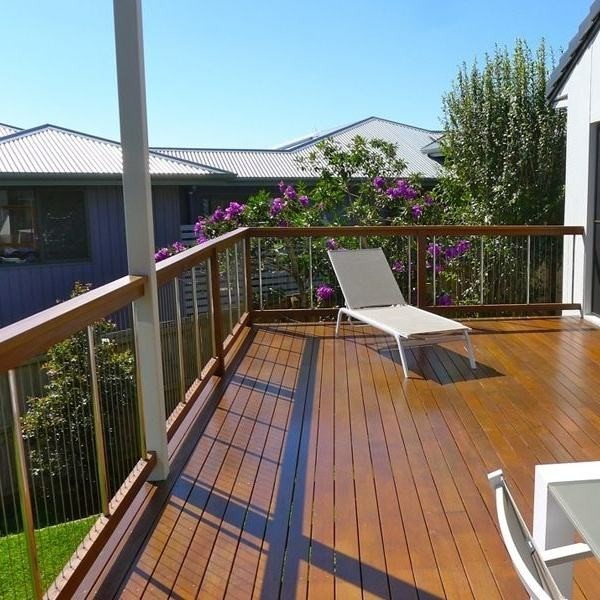
Outdoor cable railing is designed to withstand the elements. In addition to the material considerations mentioned above, outdoor cable railing often requires a more robust installation to ensure stability in windy conditions or against the force of rain and snow.
For example, the posts of outdoor cable railing may need to be set deeper into the ground or anchored more securely to a concrete surface. The cables themselves should be tensioned properly to prevent sagging over time. Our Outdoor Cable Railing is engineered to meet these requirements, providing a long - lasting solution for decks, patios, and other outdoor spaces.
Indoor Cable Railing
Indoor cable railing is typically used in areas such as staircases, mezzanines, and balconies within a building. The installation of indoor cable railing is often less complex than outdoor railing, as it doesn't need to withstand extreme weather conditions. However, it still needs to meet safety codes and provide a visually appealing addition to the interior design.
Indoor cable railing can be a great way to add a modern touch to a space while maintaining an open and airy feel. It allows for unobstructed views, which is especially desirable in areas where natural light and sightlines are important.
Cable Configuration
The arrangement of cables in a railing system also varies, with vertical and horizontal configurations being the most common.
Vertical Cable Railing
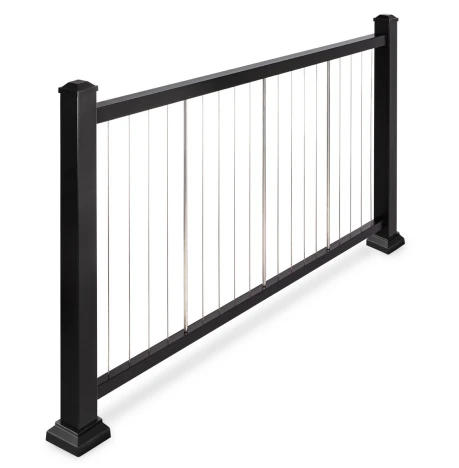
Vertical cable railing features cables that run from top to bottom, creating a clean and minimalist look. This configuration is often used in modern and contemporary designs, as it provides a sleek and uncluttered appearance. Vertical cables are also effective at preventing small objects and children from passing through, making them a safe choice for staircases and balconies.
The tensioning of vertical cables requires precision to ensure they are straight and evenly spaced. Our Vertical Cable Railing is designed with high - quality tensioning hardware to maintain the proper alignment of the cables over time.
Horizontal Cable Railing
Horizontal cable railing uses cables that run horizontally between the posts. This style can give a more traditional or rustic look, depending on the materials used and the overall design of the railing. Horizontal cables can also provide a different visual rhythm to a space compared to vertical cables.
However, horizontal cable railing may require additional engineering in some cases, especially for applications where children or pets are present. There are specific safety regulations regarding the spacing of horizontal cables to prevent entrapment.
Cost Considerations
The cost of cable railing can vary significantly depending on the type, material, and complexity of the installation.
Steel cable railing is generally more expensive upfront due to the cost of the steel material and the additional processing required, such as galvanization. However, its long - term durability can make it a cost - effective option, as it may not need to be replaced as often as other materials.
Aluminum cable railing is often more affordable in terms of material cost. Its low - maintenance nature also reduces long - term expenses. The cost of installation can also be lower for aluminum railing, as it is lighter and easier to work with.
When considering the cost, it's important to factor in the overall quality and performance of the railing. A cheaper option may end up costing more in the long run if it requires frequent repairs or replacement.
Maintenance Requirements
The maintenance needs of different cable railing types also differ.
Steel cable railing, as mentioned earlier, requires regular inspection for signs of corrosion. If the protective coating is damaged, it should be repaired promptly to prevent rust from spreading. Cleaning steel cable railing usually involves wiping it down with a mild detergent and water to remove dirt and debris.
Aluminum cable railing is much easier to maintain. It can be cleaned with a simple soap and water solution, and there's no need to worry about rust. However, in areas with heavy pollution or salt spray, it may be necessary to clean the railing more frequently to prevent the buildup of contaminants.
In conclusion, there are several factors to consider when choosing the right type of cable railing for your project. The material, installation requirements, cable configuration, cost, and maintenance all play important roles in the decision - making process. By understanding the differences between these types, you can select the cable railing that best suits your needs and budget.
If you're interested in purchasing cable railing for your project, I'd be happy to assist you. Please reach out and let's discuss how we can find the perfect cable railing solution for you.
References
- Architectural Ironmongery Directory - Information on different railing materials and designs.
- Building Codes and Standards - Guidelines for safety and installation of cable railing systems.