Hey there! As a supplier of Outdoor Cable Railing, I'm often asked about the vibration resistance of these products. It's a key factor that can significantly impact the safety and longevity of your railing. So, let's dive into what vibration resistance really means for outdoor cable railing.
First off, what exactly is vibration resistance? In simple terms, it's the ability of the cable railing to withstand vibrations without failing or experiencing significant damage. Vibrations can come from various sources in an outdoor setting. For instance, strong winds can push against the railing, causing it to vibrate. Traffic nearby can also create vibrations that travel through the ground and affect the railing. Even people leaning on or moving along the railing can generate small vibrations.
Now, why is vibration resistance so important? Well, if a cable railing doesn't have good vibration resistance, over time, the constant shaking can lead to wear and tear. The cables might start to fray, the connections could loosen, and the overall structural integrity of the railing could be compromised. This not only looks bad but also poses a safety risk, especially in areas where people rely on the railing for support.
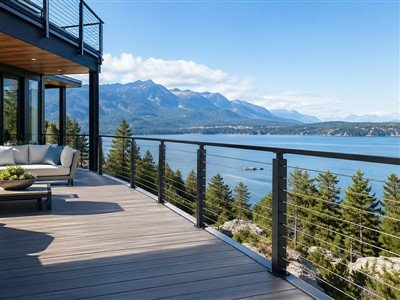
Let's talk about how different materials used in outdoor cable railing affect vibration resistance. One popular option is the Aluminum Cable Railing System. Aluminum is known for its lightweight yet durable nature. It has a certain elasticity that allows it to absorb some of the vibrations. When the wind blows or there's a small shock, the aluminum can flex slightly without breaking. This flexibility helps in reducing the impact of vibrations on the railing. However, in extremely high - vibration situations, like in areas with very strong winds or heavy traffic, the aluminum might need some additional reinforcement.
Another common choice is Steel Cable Railing. Steel is much stronger and more rigid compared to aluminum. It can handle high levels of stress and vibrations. The high tensile strength of steel means that it can resist the pulling and shaking forces caused by vibrations without deforming easily. Steel cable railings are often a great option for high - traffic areas or places with harsh weather conditions. However, the downside is that steel can be more susceptible to corrosion if not properly treated, which could potentially affect its long - term vibration resistance.
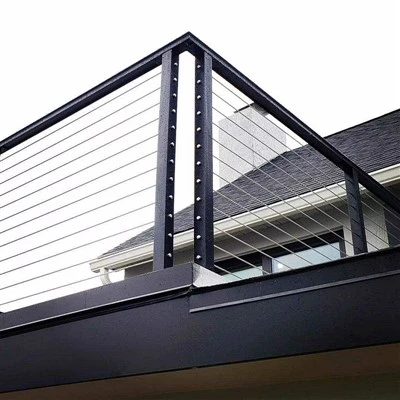
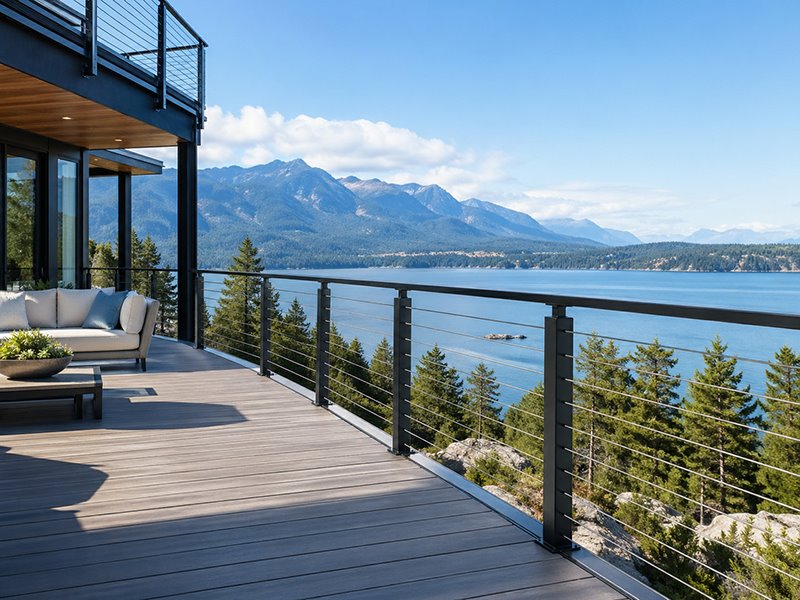
The design of the cable railing also plays a huge role in its vibration resistance. A well - designed railing should have proper tensioning of the cables. If the cables are too loose, they'll vibrate more easily in response to external forces. On the other hand, if they're too tight, it could put excessive stress on the connections and other components of the railing. A balanced tension ensures that the cables can absorb and distribute the vibrations evenly throughout the structure.
The spacing between the cables is another design aspect to consider. If the cables are spaced too far apart, there's more room for the wind to pass through and cause the railing to vibrate. Closer spacing can help reduce the wind's impact and minimize vibrations. Additionally, the way the cables are attached to the posts and other supports is crucial. Strong and secure connections prevent the cables from loosening or coming off during vibrations.
When it comes to testing the vibration resistance of outdoor cable railings, there are several methods. One common approach is to use a mechanical shaker. This device can simulate different levels of vibrations similar to what the railing might experience in real - life situations. By subjecting the railing to these controlled vibrations, we can measure how well it holds up. We look for signs of damage, such as cable breakage, loosening of connections, or deformation of the posts.
Another way to test is through real - world monitoring. We install the railing in a test area and monitor it over a period of time using sensors. These sensors can detect even the slightest vibrations and how the railing responds to them. This long - term monitoring gives us a more accurate picture of the railing's vibration resistance in actual environmental conditions.
As a supplier of Outdoor Cable Railing, we take vibration resistance very seriously. Our engineering team is constantly working on improving the design and materials of our railings to ensure the best possible performance. We use high - quality aluminum and steel that are specifically chosen for their strength and durability. Our manufacturing process is also carefully controlled to ensure that each railing meets strict quality standards.
We understand that every customer's needs are different. Whether you're looking for a railing for a residential balcony that might experience gentle breezes or a commercial building near a busy road, we have the right solution for you. Our team of experts can work with you to determine the best type of railing based on the specific conditions of your location.
If you're in the market for outdoor cable railing, don't forget to consider vibration resistance. It's a crucial factor that can make a big difference in the safety and longevity of your railing. And if you have any questions or need more information, don't hesitate to reach out. We're here to help you find the perfect railing for your project.
In conclusion, vibration resistance is a vital characteristic of outdoor cable railing. The choice of material, design, and proper testing all contribute to how well a railing can withstand vibrations. As a supplier, we're committed to providing high - quality railings that offer excellent vibration resistance. So, if you're interested in our products or want to discuss your project in more detail, feel free to start a conversation with us. We look forward to working with you to enhance the safety and aesthetics of your outdoor space.
References

- "Building Codes and Standards for Cable Railings," Industry Publication.
- "Materials Science in Cable Railing Design," Academic Journal.
- "Testing Methods for Assessing Railing Durability," Research Report.