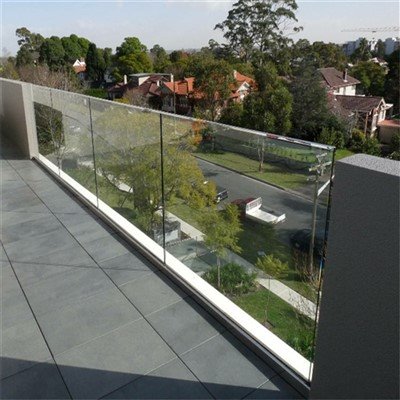
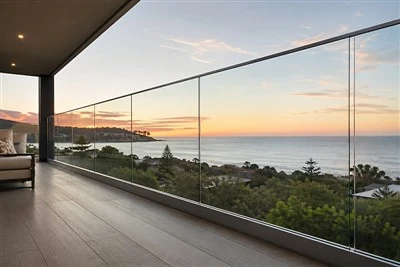
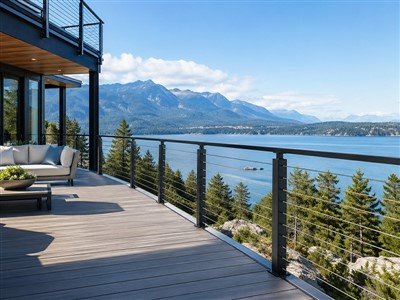
As a supplier of Frameless Glass Railing Systems, I've witnessed firsthand the allure these systems hold for modern architecture and interior design. Their sleek appearance, unobstructed views, and ability to blend seamlessly with various styles make them a popular choice for both residential and commercial projects. However, the installation of a Frameless Glass Railing System is not without its challenges. In this blog, I'll delve into some of the most common hurdles faced during installation and offer insights on how to overcome them.
Site Preparation Challenges
One of the initial challenges in installing a frameless glass railing system lies in site preparation. Unlike traditional railing systems that can often be more forgiving of minor irregularities, frameless glass railings demand a high level of precision.
Surface Flatness and Leveling
The surface where the railing will be installed, whether it's a deck, balcony, or staircase, must be perfectly flat and level. Even the slightest unevenness can cause problems during installation and may compromise the structural integrity of the railing over time. For instance, if the base is not level, the glass panels may not fit properly, leading to gaps or misalignments. This can be particularly challenging on older structures where the foundation may have settled or shifted.
To overcome this challenge, a thorough site inspection is essential. Use laser levels and other precision tools to identify any uneven areas. Depending on the severity of the problem, you may need to grind down high spots or use leveling compounds to create a smooth surface. In some cases, it may be necessary to install a substructure to provide a more stable base for the railing.
Structural Integrity
Another crucial aspect of site preparation is ensuring the structural integrity of the installation area. Frameless glass railings are typically heavy, especially when large glass panels are used. The supporting structure, such as the deck joists or balcony beams, must be able to bear the weight of the railing and any additional loads, such as wind or people leaning against it.
Before installation, it's important to consult with a structural engineer to determine the load capacity of the existing structure. If the structure is found to be inadequate, reinforcement may be required. This could involve adding additional support beams, upgrading the joists, or installing brackets to distribute the weight more evenly.
Glass Panel Handling and Installation
Handling and installing glass panels is perhaps the most challenging part of the process. Glass is a fragile material that requires careful handling to prevent breakage.
Transportation and Storage
Transporting large glass panels to the installation site can be a logistical nightmare. The panels must be properly secured to prevent shifting during transit, which could cause them to crack or break. Specialized racks and padding are often used to protect the glass during transportation.
Once at the site, the glass panels must be stored in a safe and secure location. They should be stored vertically in a rack or against a stable wall to prevent them from tipping over. It's also important to protect the glass from scratches and other damage during storage.
Installation Precision
Installing the glass panels requires a high degree of precision. The panels must be aligned perfectly to ensure a seamless and visually appealing finish. Even a small misalignment can be noticeable and may affect the overall performance of the railing.
To achieve the necessary precision, it's important to use the right tools and techniques. Laser guides and alignment tools can be used to ensure that the panels are installed perfectly vertical and horizontal. It's also important to follow the manufacturer's installation instructions carefully and to use the recommended hardware and fasteners.
Hardware and Fixing Challenges
The hardware used to secure the glass panels to the supporting structure is critical to the performance and safety of the railing. Choosing the right hardware and installing it correctly is essential.
Compatibility
Not all hardware is compatible with all types of glass and supporting structures. It's important to choose hardware that is specifically designed for use with frameless glass railings and that is compatible with the type of glass and the installation surface.

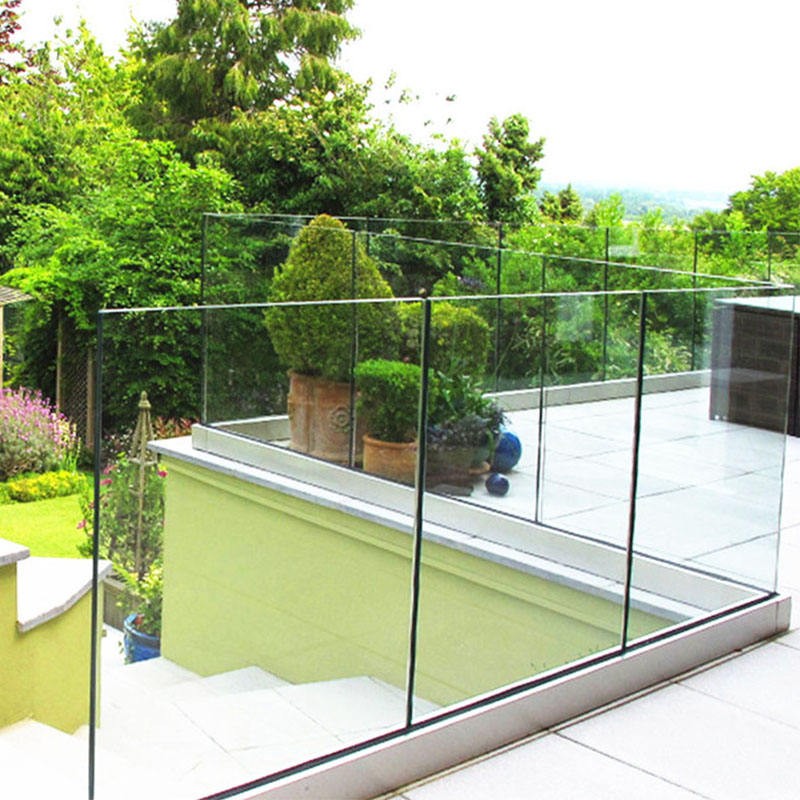
For example, if you're installing a Glass Panel Deck Railing on a wooden deck, you'll need to choose hardware that is designed to be used with wood. Similarly, if you're using tempered glass, you'll need to choose hardware that is compatible with the high strength of tempered glass.
Installation Torque
Proper installation torque is crucial when installing the hardware. Over-tightening the hardware can cause the glass to crack, while under-tightening can result in a loose and unstable railing.
It's important to use a torque wrench to ensure that the hardware is tightened to the manufacturer's recommended specifications. This will help to prevent damage to the glass and ensure that the railing is secure and stable.
Weather and Environmental Factors
Weather and environmental factors can also pose challenges during the installation of a frameless glass railing system.
Temperature and Humidity
Extreme temperatures and high humidity can affect the installation process. For example, in cold weather, the glass may become brittle and more prone to breakage. In hot weather, the hardware may expand, which can cause the glass to crack.
It's important to choose the right time of year to install the railing and to avoid installing it during extreme weather conditions. If installation must be done during adverse weather, special precautions may need to be taken, such as using a heater to warm the glass or using a dehumidifier to reduce humidity.
Wind and Rain
Wind and rain can also make installation more difficult. Strong winds can make it challenging to handle the glass panels, while rain can cause the installation surface to become slippery and make it difficult to secure the hardware.
Before starting installation, it's important to check the weather forecast and to avoid installing the railing during windy or rainy conditions. If installation must be done in less than ideal weather, appropriate safety measures should be taken, such as using ropes to secure the glass panels and wearing non-slip shoes.
Code Compliance and Permitting
Finally, ensuring code compliance and obtaining the necessary permits is an important part of the installation process. Building codes vary from one jurisdiction to another, and it's essential to familiarize yourself with the local codes and regulations before starting installation.
Structural Requirements
Building codes typically specify the minimum structural requirements for railing systems, including the height, strength, and spacing of the glass panels. It's important to ensure that the frameless glass railing system you're installing meets these requirements.
For example, in many areas, the minimum height for a railing on a deck or balcony is 36 inches. The glass panels must also be able to withstand a certain amount of force, such as the force of a person leaning against them.
Permitting Process
In addition to meeting the structural requirements, you may also need to obtain a permit before installing the railing. The permitting process can vary depending on the jurisdiction, but it typically involves submitting plans and specifications for the railing system and paying a fee.
It's important to start the permitting process early to avoid delays in the installation process. Working with a professional contractor who is familiar with the local codes and permitting process can help to ensure that the installation is done correctly and in compliance with all applicable regulations.
Conclusion
Installing a Frameless Glass Railing System can be a challenging but rewarding project. By understanding the common challenges and taking the necessary precautions, you can ensure a successful installation that enhances the beauty and safety of your property.
If you're considering installing a frameless glass railing system for your deck, patio, or other outdoor space, I encourage you to contact us to discuss your options. Our team of experts can help you choose the right system for your needs and ensure a smooth and hassle-free installation process. Whether you're looking for a Glass Railing System for Decks, a Glass Patio Railing, or an Outdoor Glass Balustrade, we have the expertise and experience to deliver a high-quality solution.
References
- "Glass Railing Design and Installation Guide" by ABC Publishing
- "Building Codes and Regulations for Railing Systems" by XYZ Press
- Manufacturer's installation instructions for various frameless glass railing systems