Measuring for aluminum railing is a crucial step in ensuring a perfect fit and a successful installation for any project. As an aluminum railing supplier, I understand the importance of accurate measurements and how they can make or break a railing project. In this blog post, I'll guide you through the process of measuring for aluminum railing, covering all the key aspects from understanding the different types of aluminum railing to taking precise measurements.
Understanding Different Types of Aluminum Railing
Before you start measuring, it's essential to understand the different types of aluminum railing available. Each type has its own unique features and installation requirements, which can affect the measuring process.
- Powder Coated Aluminum Railing: This type of railing is known for its durability and aesthetic appeal. The powder coating provides a protective layer that resists corrosion and fading, making it suitable for both indoor and outdoor applications.
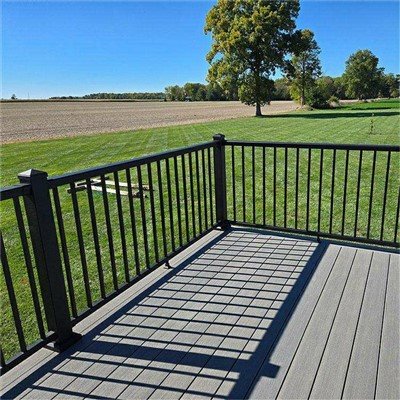
- Aluminum Deck Railing Systems: Designed specifically for decks, these railing systems come in a variety of styles and configurations. They offer a safe and stylish way to enclose your deck and enhance its overall look.
- Aluminum Balcony Railing: Ideal for balconies, this railing provides a secure barrier while allowing for a clear view. It's available in different designs to match the architecture of your building.
- Commercial Exterior Aluminum Walkway Railing: Built to withstand heavy use and harsh weather conditions, commercial exterior railing is commonly used in public spaces such as malls, hotels, and office buildings.
- Multi Family Apartment Aluminum Balcony Railing: Specifically designed for multi - family apartments, this railing meets the safety requirements for high - density housing. It offers a balance between functionality and aesthetics.
Pre - Measuring Considerations
- Check Local Building Codes: Before you start measuring, familiarize yourself with your local building codes. These codes specify the minimum height, spacing of balusters, and other safety requirements for aluminum railing. For example, in many areas, the railing height must be at least 36 inches (or 42 inches for some commercial applications) from the finished floor or deck surface to the top of the railing.
- Determine the Layout: Decide on the layout of your railing. Will it be a straight run, have curves, or include angles? This will affect the measuring process as curved or angled railings require more precise measurements.
- Identify Mounting Surfaces: Determine the type of mounting surfaces you have. Aluminum railing can be mounted on wood, concrete, or other materials. The mounting surface will influence the type of hardware needed for installation.
Measuring Straight Runs
Straight runs of aluminum railing are the simplest to measure. Here's how to do it:
- Length Measurement: Use a measuring tape to measure the length of the area where the railing will be installed. Start from one end of the run and measure to the other, making sure to measure along the centerline where the railing will be placed. Round up your measurement to the nearest whole inch or centimeter.
- Height Measurement: Measure the height from the finished floor or deck surface to the desired top - of - railing height. This height should comply with local building codes. If you're installing a railing on a deck, measure at multiple points along the deck to ensure a consistent height.
- Spacing for Balusters: If your railing requires balusters, measure the spacing between them. Most building codes require balusters to be spaced no more than 4 inches apart (measured horizontally) to prevent young children from slipping through.
Measuring Curved or Angled Railings
Measuring curved or angled railings is more complex but can be done with the right tools and techniques:
- For Curved Railings:
- Flexible Measuring Tape: Use a flexible measuring tape that can conform to the curve. Wrap the tape around the curve along the centerline where the railing will be placed. Make sure to measure the outermost part of the curve for the most accurate length.
- Template Creation: If the curve is complex, you can create a template. Cut a piece of cardboard or thin wood to match the shape of the curve. Then, measure the template to get the length of the railing.
- For Angled Railings:
- Angle Finder: Use an angle finder to determine the angle of the corner or bend. Place the angle finder on the surface where the railing will turn and read the angle measurement.
- Measure Each Leg: Measure the length of each straight leg of the railing on either side of the angle separately. This will help you determine the correct lengths for the railing sections.
Measuring for Gate Openings
If your railing includes a gate, proper measurement is crucial for a functional and secure gate:
- Width Measurement: Measure the width of the gate opening at the top, middle, and bottom. Take the smallest of these measurements as the gate width. This ensures that the gate will fit properly and not bind.
- Height Measurement: Measure the height of the gate opening from the finished floor or deck surface to the desired top - of - gate height. The gate height should match the height of the surrounding railing.
- Hinge Placement: Determine the placement of the hinges. Mark the spots on the gate posts where the hinges will be installed. Measure the distance from the top and bottom of the post to the hinge centers.
Double - Checking Your Measurements
Once you've taken all your measurements, it's important to double - check them. Measuring twice can help you avoid costly mistakes during the railing installation process. Compare your measurements with any applicable building codes and make sure that all dimensions are correct and consistent.
Contact Us for Your Aluminum Railing Needs
Now that you know how to measure for aluminum railing, you're one step closer to getting the perfect railing for your project. As an aluminum railing supplier, we offer a wide range of high - quality Powder Coated Aluminum Railing, Aluminum Deck Railing Systems, Aluminum Balcony Railing, Commercial Exterior Aluminum Walkway Railing, and Multi Family Apartment Aluminum Balcony Railing.
If you have any questions about measuring, choosing the right type of railing, or our product offerings, don't hesitate to reach out. We're here to assist you every step of the way, from measurement to installation. Contact us to start your aluminum railing project today.


References
- Building Codes Institute. (Year). Model Building Codes.
- Architectural Metal Manufacturers Association. (Year). Aluminum Railing Design and Installation Guide.