Do metal deck railing pickets make noise in windy conditions? This is a question that often comes up among homeowners, architects, and those involved in construction projects. As a supplier of Metal Deck Railing Pickets, I've encountered this query numerous times, and today, I'd like to delve into this topic in detail.
Understanding the Basics of Metal Deck Railing Pickets
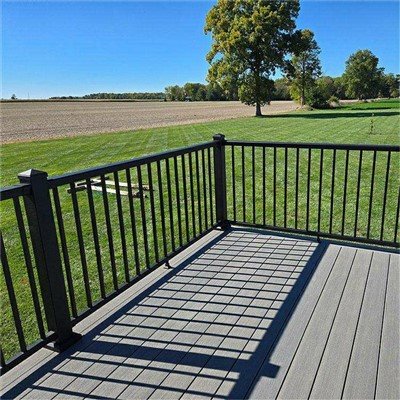
Metal deck railing pickets are a popular choice for decks, balconies, and other outdoor areas. They offer a combination of durability, aesthetics, and security. Materials commonly used for these pickets include aluminum, stainless steel, and wrought iron. Each material has its own set of properties that can influence how it behaves in windy conditions.
Aluminum Picket Railing is lightweight, corrosion - resistant, and relatively easy to install. It is a great option for coastal areas where saltwater can cause other metals to rust. Stainless steel, on the other hand, is known for its strength and resistance to staining. Stainless Steel Deck Railing and pickets are often used in high - end residential and commercial projects. Wrought iron pickets provide a classic and elegant look but are heavier and may require more maintenance.
Factors Affecting Noise Generation
Wind Speed and Direction
The speed and direction of the wind play a crucial role in determining whether metal deck railing pickets will make noise. When the wind blows at high speeds, it creates pressure differentials around the pickets. If the wind hits the pickets at an angle, it can cause them to vibrate. The greater the wind speed, the more intense the vibrations are likely to be. For example, in areas prone to strong gusts, such as hilltops or near large open bodies of water, the risk of noise increases.
Picket Design and Spacing
The design of the pickets can also impact noise generation. Pickets with complex shapes or irregular surfaces are more likely to cause turbulence as the wind passes over them. This turbulence can lead to vibrations and, consequently, noise. Additionally, the spacing between pickets matters. If the pickets are too close together, the wind may be forced through the narrow gaps, creating a whistling sound. On the other hand, if the spacing is too wide, the pickets may be more exposed to the full force of the wind, increasing the likelihood of vibrations.
Installation Quality
Proper installation is essential to minimize noise. If the pickets are not securely fastened to the railing system, they can rattle and shake in the wind. Loose connections can also allow the pickets to move independently, amplifying the noise. For example, if the pickets are not properly welded or bolted to the railing posts, even a gentle breeze can cause them to make noise.
Scientific Explanation of Noise Generation
When the wind flows around an object, it creates a boundary layer. In the case of metal deck railing pickets, the wind can cause this boundary layer to separate from the surface of the picket. This separation leads to the formation of vortices, which are swirling masses of air. As these vortices are shed from the picket, they create pressure fluctuations. These pressure fluctuations can cause the picket to vibrate, and the vibration is then transmitted through the railing system as sound waves.
The frequency of the sound waves depends on several factors, including the size and shape of the picket, the wind speed, and the material of the picket. For instance, a thinner picket may vibrate at a higher frequency than a thicker one, resulting in a higher - pitched sound.
Mitigating Noise from Metal Deck Railing Pickets
Material Selection
Choosing the right material can help reduce noise. For example, aluminum is generally less likely to make noise compared to wrought iron because it is lighter and has different acoustic properties. Stainless steel can also be a good choice, especially if it is of high quality and has been properly treated to dampen vibrations.


Design Modifications
Opting for pickets with smooth, streamlined shapes can minimize turbulence and reduce noise. Additionally, adjusting the spacing between pickets to an optimal distance can help prevent whistling sounds. Some manufacturers offer pickets with built - in noise - reducing features, such as rubber gaskets or dampening materials.
Installation Improvements
Ensuring a secure installation is key. This may involve using high - quality fasteners, such as stainless steel bolts or welds, to firmly attach the pickets to the railing system. Adding vibration - dampening pads between the pickets and the railing can also help absorb some of the energy from the wind and reduce noise.
Real - World Examples and Case Studies
In a recent project in a coastal area, a client was concerned about the potential noise from their Stainless Steel and Glass Balustrade with metal pickets. By carefully selecting the picket design and ensuring a proper installation, we were able to minimize the noise. The pickets had a smooth, rounded shape, and they were tightly secured to the railing posts. Even during strong coastal winds, the noise was barely noticeable.
Another case involved a high - rise building with Stainless Steel Railing Systems on the balconies. The initial installation had some loose pickets, which caused rattling in the wind. After re - tightening the connections and adding vibration - dampening pads, the noise was significantly reduced.
Conclusion
In conclusion, metal deck railing pickets can make noise in windy conditions, but there are several factors that can influence this. By understanding the science behind noise generation and taking appropriate measures, such as material selection, design modifications, and proper installation, it is possible to minimize or even eliminate the noise.
If you are considering installing metal deck railing pickets for your project, whether it's a residential deck or a commercial building, I encourage you to reach out to discuss your specific needs. We can help you choose the right materials and designs to ensure a quiet and durable railing system. Contact us to start the conversation about your railing project.
References
- "Wind - Induced Vibration of Structures" by Alan G. Davenport.
- "Materials Science and Engineering: An Introduction" by William D. Callister Jr. and David G. Rethwisch.
- Industry reports on metal railing systems and their performance in different environmental conditions.