Can I install a home deck railing on a floating deck?
Floating decks have become a popular choice for homeowners in recent years. They offer a cost - effective and flexible way to add outdoor living space without the need for extensive foundation work. As a home deck railing supplier, one of the most common questions I receive is whether it's possible to install a home deck railing on a floating deck. In this blog post, I'll explore this topic in detail and provide you with all the information you need to make an informed decision.
Understanding Floating Decks
A floating deck is a type of deck that is not attached to a building. It sits on top of the ground or on piers, and it "floats" independently. This design makes it easier and less expensive to build compared to a traditional deck that is attached to a house. Floating decks are typically made of wood, composite materials, or PVC, and they come in various sizes and shapes.
The main advantage of a floating deck is its flexibility. You can place it anywhere in your yard, and it can be easily removed or relocated if needed. However, because it is not attached to a building, it has some limitations when it comes to structural stability.
Can You Install a Railing on a Floating Deck?
The short answer is yes, you can install a home deck railing on a floating deck. However, there are some important considerations to keep in mind.
Structural Integrity
The first thing to consider is the structural integrity of the floating deck. A railing adds additional weight and stress to the deck, so it's crucial that the deck is strong enough to support it. Before installing a railing, you should ensure that your floating deck is built to code and can handle the extra load.
If your floating deck is made of wood, make sure the joists are properly spaced and the decking boards are securely attached. For composite or PVC decks, check that the materials are rated for the intended use and that the installation is correct.
Attachment Method
Another important consideration is the attachment method. Since a floating deck is not attached to a building, you cannot use the same attachment methods as you would for a traditional deck. There are several options for attaching a railing to a floating deck:
- Surface - Mounted Brackets: These brackets are attached to the surface of the decking boards. They are relatively easy to install and can provide a secure connection. However, they may not be as strong as other methods, especially if the deck experiences a lot of movement.
- Post - Base Connectors: These connectors are designed to attach the railing posts to the deck joists. They provide a more secure connection and can help distribute the weight of the railing evenly. However, installing post - base connectors may require cutting into the decking boards, which can be more challenging.
- Embedded Posts: In some cases, you can embed the railing posts directly into the ground or into concrete piers. This method provides the most stability but may require more extensive work and may not be suitable for all floating decks.
Types of Railing Suitable for Floating Decks
As a home deck railing supplier, I offer a variety of railing systems that are suitable for floating decks. Here are some of the popular options:
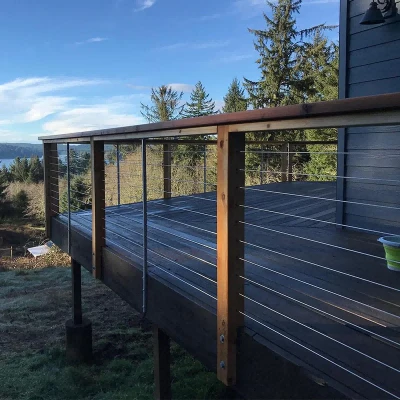
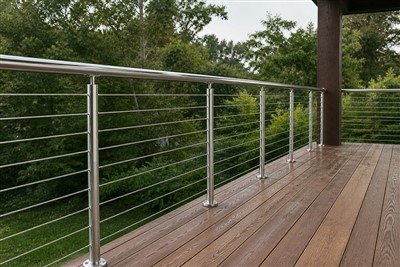
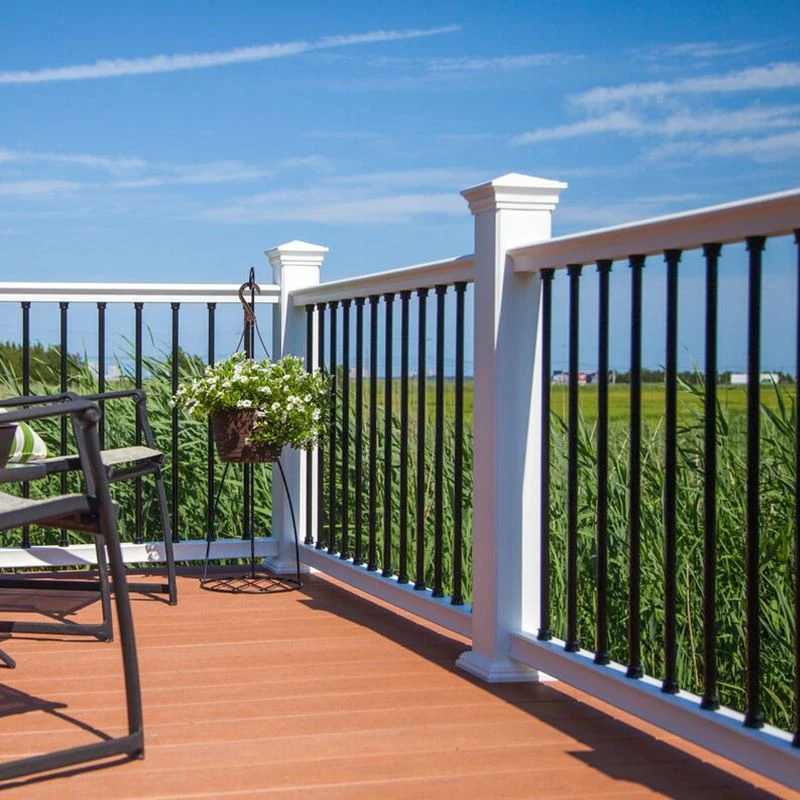
- Deck Railing System: This system is designed specifically for decks and provides a stylish and secure way to enclose your outdoor space. It comes in various materials, including aluminum, wood, and composite, and can be customized to fit your deck's size and style.
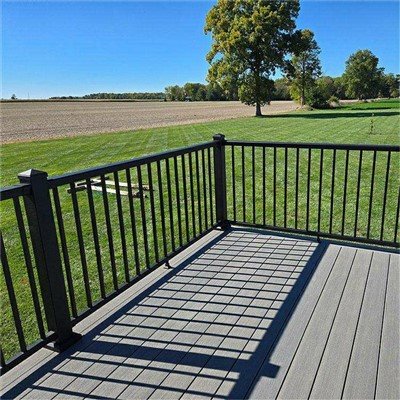
- Residential Aluminum Railings: Aluminum railings are a popular choice for floating decks because they are lightweight, durable, and low - maintenance. They are available in a range of colors and styles, and they can add a modern touch to your deck.
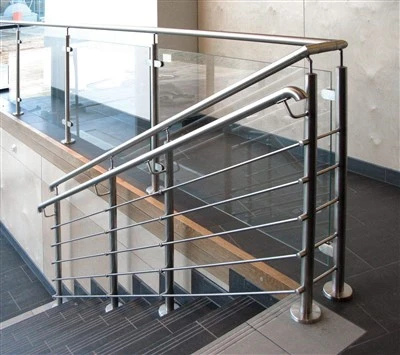
- Aluminum Balcony Railing: Similar to aluminum deck railings, balcony railings are designed to provide safety and style. They can be used on floating decks to create a more elevated and sophisticated look.
- Outdoor Deck Railing: This type of railing is designed to withstand the elements and is suitable for outdoor use. It can be made of various materials, such as wood, metal, or vinyl, and can be customized to match your deck's aesthetic.
- Aluminum Deck Railing Systems: These systems offer a complete solution for your floating deck. They include all the necessary components, such as posts, rails, and balusters, and are easy to install.
Installation Process
The installation process for a home deck railing on a floating deck will depend on the type of railing and the attachment method you choose. Here is a general overview of the steps involved:
- Measure and Plan: Measure the perimeter of your floating deck and determine the length of the railing you need. Plan the layout of the railing, including the location of the posts and the spacing between the balusters.
- Prepare the Deck: If you are using surface - mounted brackets, clean the surface of the decking boards and mark the locations for the brackets. If you are using post - base connectors or embedded posts, you may need to cut into the decking boards or dig holes in the ground.
- Install the Posts: Install the railing posts according to the manufacturer's instructions. Make sure they are level and plumb, and secure them to the deck or the ground.
- Attach the Rails and Balusters: Once the posts are installed, attach the rails and balusters to the posts. Make sure they are securely fastened and that the spacing between the balusters meets the local building codes.
- Finish the Railing: Depending on the material of the railing, you may need to paint, stain, or seal it to protect it from the elements.
Safety Considerations
Safety is always a top priority when it comes to deck railings. When installing a railing on a floating deck, make sure it meets the local building codes. The height of the railing should be at least 36 inches (91.44 cm) for decks that are less than 30 inches (76.2 cm) above the ground, and at least 42 inches (106.68 cm) for decks that are 30 inches or more above the ground.
The spacing between the balusters should be no more than 4 inches (10.16 cm) to prevent small children from getting through. Additionally, make sure the railing is securely attached to the deck to prevent it from tipping over.

Conclusion
In conclusion, it is possible to install a home deck railing on a floating deck. However, you need to consider the structural integrity of the deck, the attachment method, and the type of railing you choose. As a home deck railing supplier, I can provide you with high - quality railing systems that are suitable for floating decks.
If you are interested in purchasing a deck railing for your floating deck, I encourage you to contact me for more information. We can discuss your specific needs and help you choose the right railing system for your project. Whether you are looking for a stylish and modern aluminum railing or a classic wood railing, we have the products and expertise to meet your requirements.
References
- "Building a Floating Deck" by The Family Handyman
- "Deck Railing Installation Guide" by DIY Network
- Local building codes and regulations