Hey there! As an aluminum railing supplier, I often get asked about the weight of aluminum railings. It's a crucial factor for many reasons, whether you're planning an installation, shipping them, or just curious about their characteristics. So, let's dive right into it and explore what determines the weight of aluminum railings.
First off, it's important to understand that the weight of aluminum railings can vary significantly depending on several factors. One of the main factors is the type of aluminum used. There are different grades of aluminum, and each has its own density. For instance, some high - strength aluminum alloys might be a bit denser than standard aluminum, which means they'll be heavier.
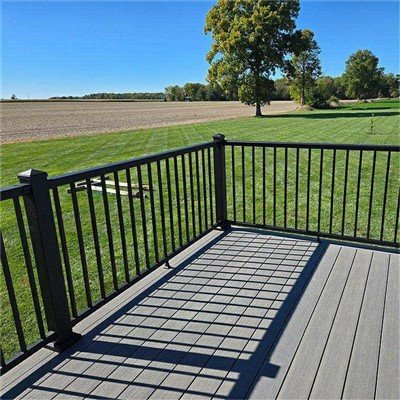
Another big factor is the design of the railing. Railings come in all sorts of styles, from simple and minimalist to elaborate and decorative. A simple, straight - bar railing is going to be lighter than a railing with intricate patterns or multiple components. For example, a Modern Outdoor Aluminum Railing with a sleek and basic design will generally weigh less than a railing with ornate scrollwork.
The size of the railing also plays a huge role. Longer and taller railings will obviously weigh more than shorter and smaller ones. If you're looking at Aluminum Deck Railings for a large deck, they'll be heavier compared to railings for a small balcony. The thickness of the aluminum tubing or profiles used in the railing is another determinant. Thicker materials mean more aluminum, and thus, more weight.
Let's talk about some general ballpark figures. A standard 4 - foot section of a simple aluminum deck railing might weigh around 10 - 15 pounds. However, if it's a more complex design with thicker tubing and additional features, it could weigh 20 pounds or more. For a full - length balcony railing that's, say, 10 feet long, you're looking at anywhere from 30 to 50 pounds, depending on the style and materials.
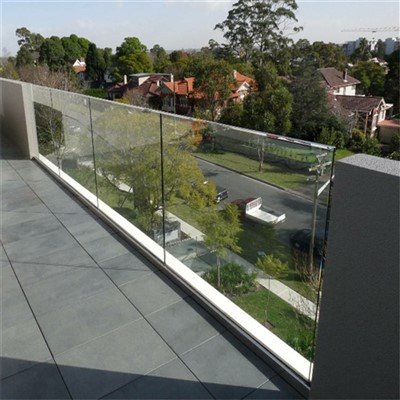
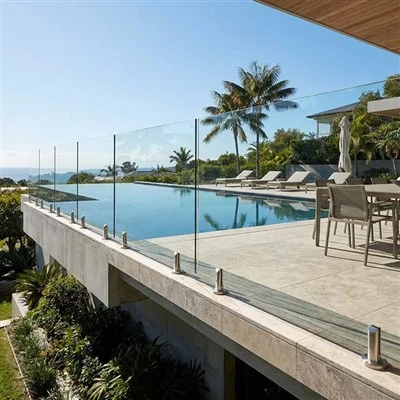
When it comes to External Glass Balustrade, the weight calculation gets a bit more complicated. The glass itself adds a significant amount of weight. A typical 1/2 - inch thick glass panel for a balustrade can weigh around 6.5 pounds per square foot. So, if you have a 4 - foot by 3 - foot glass panel, that's about 78 pounds just for the glass. Add the weight of the aluminum frame, which can vary depending on its design and thickness, and you've got a substantial weight to consider.
The weight of aluminum railings also has implications for installation. Lighter railings are generally easier to handle and install. You can usually manage a simple deck railing installation with one or two people. But for heavier railings, especially those with large glass panels, you might need additional equipment like hoists or more manpower.
Shipping is another area where the weight matters. Heavier railings cost more to ship, both in terms of transportation fees and the need for stronger packaging. If you're shipping internationally, the weight can also affect customs duties and other regulations.
Now, let's compare aluminum railings to other materials. Compared to iron or steel railings, aluminum is much lighter. Iron railings can be two to three times heavier than aluminum railings of the same size and design. This makes aluminum a great choice for applications where weight is a concern, like on upper - level balconies or in structures with weight limitations.
Plastic railings are even lighter than aluminum, but they lack the durability and strength that aluminum offers. Aluminum railings can withstand harsh weather conditions, resist corrosion, and last for decades, making them a more reliable long - term investment.
If you're in the market for Outdoor Deck Railing or Aluminum Balcony Railing, understanding the weight is just one piece of the puzzle. You also need to consider the style, cost, and maintenance requirements. But knowing the weight can help you make a more informed decision, especially when it comes to installation and shipping.
At our company, we offer a wide range of aluminum railings in different styles, sizes, and weights. Whether you're looking for a lightweight, simple railing for a small project or a heavy - duty, elaborate railing for a large commercial installation, we've got you covered. Our team of experts can help you choose the right railing based on your specific needs and budget.


If you're interested in learning more about our aluminum railings or getting a quote, don't hesitate to reach out. We're always happy to have a chat and discuss your project. You can contact us to start the procurement process and get the ball rolling on your next railing installation.
In conclusion, the weight of aluminum railings is influenced by factors such as the type of aluminum, design, size, and thickness. It has implications for installation, shipping, and overall cost. Aluminum railings offer a great balance of light weight, durability, and style, making them a popular choice for many applications. So, if you're in the market for railings, give aluminum a serious consideration.
References:
- Industry knowledge and experience in aluminum railing supply
- General understanding of material properties and construction standards