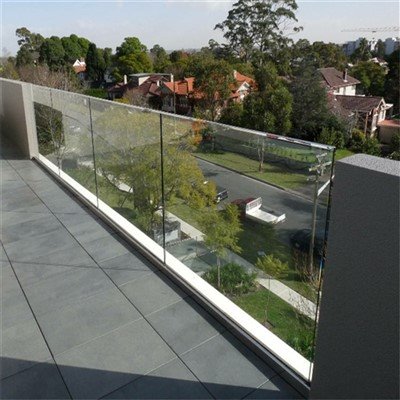
Measuring for glass railings is a crucial step in ensuring a perfect fit and a safe installation. As a trusted glass railing supplier, we understand the importance of accurate measurements. In this blog post, we will guide you through the process of measuring for glass railings, providing you with the necessary information to make informed decisions.
Understanding the Basics of Glass Railing Measurement
Before you start measuring, it's essential to understand the different types of glass railings available. Some common types include Glass Railing System for Decks, Exterior Glass Railing System, Outdoor Glass Balustrade, Glass Panel Railing System, and Frameless Glass Railing System. Each type may have specific measurement requirements, so it's important to choose the right one for your project.
Tools You'll Need
To measure for glass railings, you'll need a few basic tools:
- A tape measure: A high - quality, retractable tape measure with both metric and imperial units is ideal. Make sure it is long enough to measure the entire length and height of the area where the glass railing will be installed.
- A level: A spirit level is necessary to ensure that the railing is installed horizontally and vertically. It will help you get accurate height and alignment measurements.
- A pencil and paper: You'll need these to record your measurements and any notes about the installation area.
Measuring the Length of the Railing
The first step is to measure the linear length of the area where the glass railing will be installed. For straight runs, simply extend the tape measure from one end of the railing area to the other. Make sure the tape measure is straight and not sagging to get an accurate reading.
If you have a railing with multiple sections or angles, you need to measure each section separately. For example, if you have a railing around a deck with a corner, measure the length of each side that meets at the corner. Add these individual lengths together to get the total linear length.
Measuring the Height of the Railing
The height of the glass railing is a critical measurement. Building codes typically specify a minimum height for railings to ensure safety. In most residential areas, the minimum height is 36 inches (91.44 cm), while in commercial settings, it may be 42 inches (106.68 cm) or more.
To measure the height, place the level vertically at the starting point of the railing. Measure from the deck surface or the walking area to the desired height of the top of the railing. Repeat this measurement at several points along the railing length to ensure that the surface is level. If there are any variations in height, note these down as they may affect the installation.
Accounting for Post and Bracket Dimensions
If your glass railing system uses posts and brackets, you need to account for their dimensions in your measurements. Measure the width and height of the posts and the brackets that will be used. The posts will typically be installed at regular intervals along the railing length.
When measuring for the glass panels, you need to subtract the width of the posts and brackets from the total length between the end points. This will give you the correct size for the glass panels. For example, if you have a 10 - foot (3.05 - meter) railing length and your posts are 4 inches (10.16 cm) wide each, and you have two end - posts, you'll need to subtract 8 inches (20.32 cm) from the 10 - foot length to get the size of the glass panels.
Measuring for Angles and Curves
If your railing has angles or curves, the measurement process becomes a bit more complex. For angles, use a protractor to measure the degree of each angle. You can also use a flexible measuring tape to follow the contour of a curve.


For curved railings, it's often best to take multiple straight - line measurements along the curve and then use these to approximate the overall length. Another option is to create a template using a flexible material like cardboard. Trace the curve onto the cardboard, cut it out, and then measure the length of the template.
Measuring the Glass Thickness
The thickness of the glass is another important factor. The appropriate glass thickness depends on the height of the railing, the span between supports, and the expected load on the railing. For most residential applications, 1/2 - inch (1.27 - cm) or 3/8 - inch (0.95 - cm) thick glass is sufficient. For commercial or high - traffic areas, thicker glass may be required.
Double - Checking Your Measurements
Once you have taken all the necessary measurements, it's crucial to double - check them. Measure each dimension at least twice to ensure accuracy. If possible, have a second person verify the measurements as well. Any errors in measurement can lead to ill - fitting glass railings, which can be both aesthetically unpleasing and unsafe.
Working with a Professional
If you're unsure about any aspect of measuring for glass railings, it's always a good idea to consult a professional. As a glass railing supplier, we have experienced installers who can assist you with the measurement process. They can also provide valuable advice on the best type of glass railing system for your specific needs.
Contact Us for Your Glass Railing Needs
If you're ready to start your glass railing project, we're here to help. Our team of experts can guide you through the entire process, from measurement to installation. We offer a wide range of high - quality glass railing systems to suit any style and budget. Contact us today to discuss your project and get a free quote.
References
- Building Codes Institute. (Year). National Building Code.
- Glass Association of North America. (Year). Glass Design and Installation Guidelines.