Hey there, folks! I'm a supplier of stainless steel railing, and I've seen firsthand how a custom pattern can transform an ordinary railing into a stunning piece of art. Today, I'm gonna share with you the step-by-step process of creating a custom pattern on stainless steel railing.
Step 1: Design Your Pattern
The first step in creating a custom pattern is to come up with a design. You can draw inspiration from various sources, such as nature, architecture, or even your own imagination. Use a design software like Adobe Illustrator or Sketch to create a digital version of your pattern. Make sure to consider the size and shape of your railing when designing the pattern. You can also work with a professional designer if you need more elaborate or complex designs.
Step 2: Choose the Right Stainless Steel
Not all stainless steel is created equal when it comes to custom patterning. You want to choose a grade of stainless steel that is suitable for the application and the type of pattern you want to create. For most railing applications, 304 or 316 stainless steel is a good choice. These grades are corrosion - resistant and have good formability.
Step 3: Select the Patterning Method
There are several methods to create a custom pattern on stainless steel railing, and each has its own pros and cons.
Laser Cutting
Laser cutting is a popular method for creating precise and detailed patterns. A high - powered laser beam is used to cut through the stainless steel, following the design of your pattern. It can create very intricate shapes and is suitable for both small and large - scale production. However, it can be relatively expensive, especially for complex patterns. You can check out our Stainless Steel Railing Systems to see how laser - cut patterns can enhance the overall look.
Chemical Etching
Chemical etching involves applying a resist material to the stainless steel surface and then exposing it to a chemical solution that eats away the unprotected areas. This method is great for creating detailed and delicate patterns. It allows for a high level of customization and can be used on curved or irregular surfaces. But it takes some time to set up the process and requires proper handling of chemicals.
Sandblasting
Sandblasting is a more rustic method of creating a pattern. It uses compressed air to propel abrasive particles at the stainless steel surface, removing the top layer and creating a textured pattern. This method is relatively quick and cost - effective, and it's great for creating a more industrial or weathered look.
Step 4: Prepare the Stainless Steel Surface
Before you start the patterning process, you need to prepare the stainless steel surface. Clean the railing thoroughly to remove any dirt, grease, or contaminants. You can use a mild detergent and water, followed by a rinse with clean water and a dry with a lint - free cloth. Next, you may need to polish the surface to a smooth finish, depending on the patterning method you've chosen.
Step 5: Apply the Pattern
Once the surface is prepared, it's time to apply the pattern.
For Laser Cutting
If you're using laser cutting, you'll send your digital design to a laser cutting service provider. They'll load the design into the laser cutting machine and start the cutting process. After cutting, the excess stainless steel will be removed, and the edges may need to be smoothed.
For Chemical Etching
For chemical etching, you'll first apply the resist material to the stainless steel surface. This can be done using a stencil or by printing the pattern directly onto a resist film. Then, immerse the railing in the chemical etching solution for the appropriate amount of time. After etching, remove the resist and clean the railing again.
For Sandblasting
In sandblasting, you'll use a sandblasting gun to apply the abrasive particles to the surface according to your pattern. You can use a stencil to mask off the areas where you don't want the pattern to appear.
Step 6: Finishing Touches
After the pattern is applied, you may need to do some finishing touches. This can include polishing the edges to make them smooth and safe, or applying a protective coating to prevent corrosion. A clear powder coating or a stainless steel - specific sealant can be used as a protective layer.
Step 7: Installation
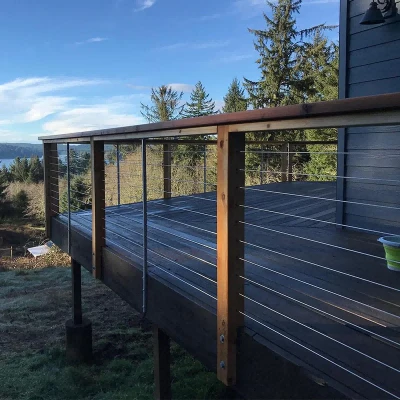
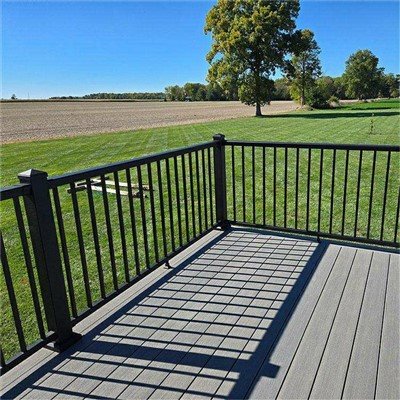
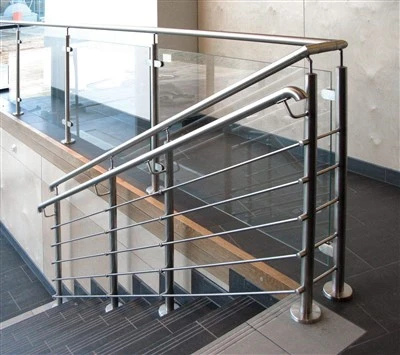
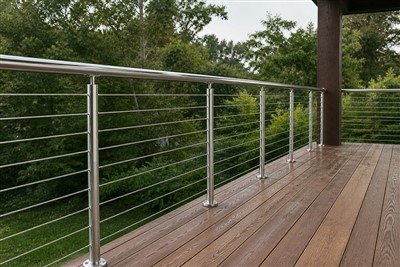
Once the pattern is created and the finishing touches are done, it's time to install the railing. Make sure to follow the proper installation procedures to ensure the railing is secure and safe. If you're not familiar with the installation process, you can hire a professional installer. You can also explore different types of railings on our website, including Stainless Steel and Glass Balustrade, Stainless Steel Deck Railing, Aluminum Picket Railing, and Metal Deck Railing Pickets.
Why Customize Your Stainless Steel Railing
Customizing your stainless steel railing has many benefits. It can add a unique and personal touch to your property, whether it's a residential home or a commercial building. A custom - patterned railing can also increase the value of your property and make it stand out from the crowd.
So, are you ready to create your own custom - patterned stainless steel railing? If you have any questions or need more information about our products and services, don't hesitate to reach out to us. We're here to help you turn your vision into reality. Contact us today to start the conversation about your custom railing project!

References
- Stainless Steel Handbook: A comprehensive guide on stainless steel properties and applications.
- Metalworking Magazine: Articles on different metal - patterning techniques and best practices.