When it comes to enhancing the aesthetic appeal and functionality of outdoor spaces, a well - designed glass railing system can be a game - changer. As a dedicated Outdoor Glass Railing System supplier, we've witnessed firsthand the different preferences and requirements of our customers. One of the most common questions we receive is about the difference in the installation process between frameless and framed outdoor glass railing systems. Let's take a detailed look at how these two types of installations vary.


1. Initial Planning and Design
- Framed Glass Railing System
The planning phase for a framed glass railing system is relatively straightforward in some aspects. The frames themselves provide a certain level of flexibility in terms of design. They can be made from various materials such as aluminum or steel, and these frames come in different shapes and sizes. When planning, the focus is on measuring the area where the railing will be installed accurately. The installer needs to determine the number of posts, the length of the frame sections, and the size of the glass panels to fit within the frames. Since the frames are pre - fabricated in many cases, the design options are often more standardized. For example, a typical framed railing might have a rectangular frame with a specific profile, and the glass panels are cut to fit snugly into these frames. - Frameless Glass Railing System
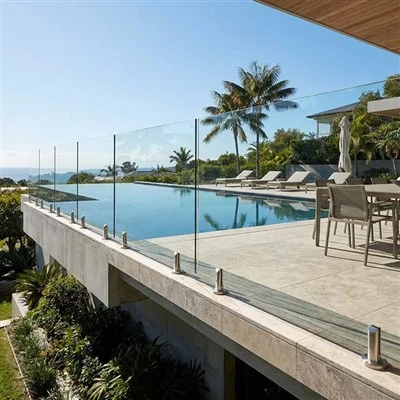
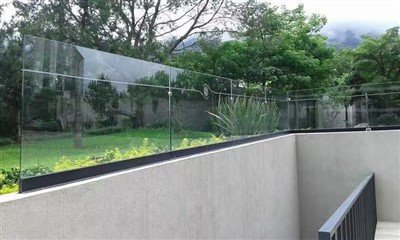
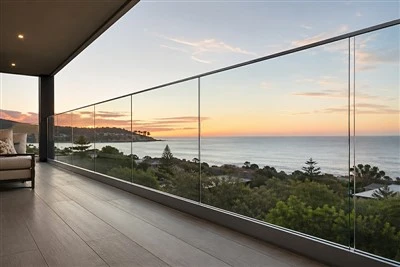
In contrast, the planning for a frameless system is more meticulous. Without the support of a frame, the glass panels need to be precisely measured and engineered to ensure structural integrity. The design process often involves a more in - depth analysis of the load - bearing capacity of the installation area. For a Frameless Glass Balcony, the installer has to consider factors like wind resistance, the weight of the glass itself, and any potential impact forces. The glass panels for a frameless system are usually custom - cut to fit the exact dimensions of the installation site, which requires highly accurate measurements. This also means that the design can be more customized, allowing for unique and modern looks.
2. Material Preparation
- Framed Glass Railing System
For a framed system, the materials are more modular. The frames are typically pre - manufactured in a factory, which ensures consistent quality and dimensions. The glass panels are also cut to standard sizes that fit the frames. The installer only needs to ensure that the frames are properly finished, which may involve painting or powder - coating for protection against the elements. The posts, which are an integral part of the framed railing, are also pre - drilled and prepared for easy assembly. This pre - preparation reduces the on - site installation time significantly. - Frameless Glass Railing System
The material preparation for a frameless system is more involved. The glass panels are the star of the show, and they need to be of the highest quality. Tempered or laminated glass is commonly used for its strength and safety features. The glass is custom - cut, and the edges are carefully polished to prevent any sharp edges. In addition to the glass, special hardware is required for a frameless system. This includes clamps, brackets, and base plates that are used to secure the glass panels in place. These hardware components need to be precisely manufactured to ensure a secure fit and proper alignment of the glass panels. For a Frameless Aluminum Glass Railing System, the aluminum components also need to be accurately machined to work in harmony with the glass panels.
3. Installation on - site
- Framed Glass Railing System
The installation of a framed glass railing system is generally quicker and easier. The first step is to install the posts at the designated locations. These posts are usually anchored to the floor or a solid surface using bolts or concrete. Once the posts are in place, the frame sections are attached to the posts. This can be done using screws or welding, depending on the design and material of the frame. The glass panels are then inserted into the frames, and they are secured with gaskets or clips. The gaskets not only hold the glass in place but also provide a seal against water and air infiltration. The overall installation process is more forgiving in terms of alignment, as the frames provide some tolerance for minor adjustments. - Frameless Glass Railing System
Installing a frameless glass railing system is a more complex and time - consuming process. The first step is to install the base plates or brackets, which are the foundation for the glass panels. These need to be installed with extreme precision, as any misalignment can cause the glass panels to fit poorly or even compromise the structural integrity of the railing. The glass panels are then carefully lifted and placed into position, and they are secured using the clamps or brackets. The alignment of the glass panels is crucial, as even a small deviation can be visually noticeable. Special tools are often required to ensure that the glass panels are perfectly vertical and level. For a Frameless Glass Railing System, the installation may also involve additional steps such as applying a sealant around the edges of the glass to protect against moisture and debris.
4. Safety and Quality Checks
- Framed Glass Railing System
After the installation of a framed glass railing system, safety checks focus on the stability of the posts and frames. The installer will check that all the connections are tight and secure, and that the glass panels are properly seated in the frames. Quality checks also include inspecting the finish of the frames for any scratches or defects. The overall structural integrity is evaluated by applying some pressure to the railing to ensure that it can withstand normal use. - Frameless Glass Railing System
Safety checks for a frameless system are even more rigorous. The installer will carefully inspect all the hardware components to ensure that they are properly tightened and that there are no signs of wear or damage. The glass panels are checked for any cracks or chips, as even a small defect can weaken the glass. The alignment of the glass panels is re - verified to ensure that they are perfectly straight and level. Since the frameless system relies solely on the glass and the hardware for support, any issues with these components can pose a significant safety risk.
5. Maintenance Considerations
- Framed Glass Railing System
Framed glass railing systems are generally easier to maintain. The frames can be easily cleaned with a mild detergent and water, and they can be repainted or powder - coated if the finish starts to wear off. The gaskets and clips that hold the glass in place can be replaced if they become damaged or worn. The overall maintenance requirements are relatively low, and the frames provide some protection to the glass panels. - Frameless Glass Railing System
Maintenance of a frameless glass railing system requires more attention. The glass panels need to be cleaned regularly to maintain their transparency and appearance. Special glass cleaners are recommended to avoid streaking or damage to the glass. The hardware components also need to be inspected periodically for signs of corrosion or wear, and they may need to be replaced over time. Since the glass is exposed, it is more susceptible to damage from environmental factors such as hail or debris.
In conclusion, while both framed and frameless outdoor glass railing systems have their own unique advantages, the installation processes are significantly different. Framed systems offer simplicity, quicker installation, and easier maintenance, while frameless systems provide a sleek, modern look and greater design flexibility. As an Outdoor Glass Railing System supplier, we are well - equipped to handle the installation of both types of systems. Whether you're looking for a classic framed railing or a cutting - edge frameless design for your Glass Panel Railing System, we can provide you with high - quality products and professional installation services. If you're interested in purchasing an outdoor glass railing system for your project, we invite you to contact us for a detailed consultation and to discuss your specific requirements.
References
- "Glass Railing Design and Installation Guide", Industry Publication, 20XX
- "Structural Analysis of Outdoor Glass Railings", Academic Journal, 20XX
- "Maintenance Best Practices for Glass Railing Systems", Trade Magazine, 20XX