Hey there! As a supplier of Stainless Steel Railing Systems, I often get asked if our products can stand up to extreme temperatures. Well, let's dig into this topic and find out more.
First off, let's talk about what makes stainless steel a great material for railing systems. Stainless steel is an alloy that contains iron, chromium, and sometimes other elements like nickel and molybdenum. The chromium in stainless steel forms a thin, protective oxide layer on the surface, which gives it its corrosion - resistant properties. This oxide layer is self - healing, meaning if it gets scratched, it can reform as long as oxygen is present.
Now, let's get to the main question: Are stainless steel railing systems resistant to extreme temperatures?
Resistance to High Temperatures
Stainless steel generally has good resistance to high temperatures. Different grades of stainless steel perform differently under high - heat conditions. For example, austenitic stainless steels, which are commonly used in railing systems, can withstand relatively high temperatures.
The chromium in stainless steel plays a crucial role here. At high temperatures, the chromium oxide layer becomes even more important. It helps to prevent the steel from oxidizing rapidly. When stainless steel is exposed to high heat, the chromium in the alloy reacts with oxygen in the air to form a stable chromium oxide layer. This layer acts as a barrier, protecting the underlying metal from further oxidation.
However, there are limits. As the temperature rises, the strength of stainless steel starts to decrease. For most austenitic stainless steels used in railing systems, they can maintain their strength up to around 800 - 1000°F (427 - 538°C). Beyond this range, the steel may start to lose its shape and structural integrity.
In some industrial applications where extremely high temperatures are involved, special grades of stainless steel with higher heat - resistant properties are used. But for typical residential and commercial railing systems, the standard austenitic grades can handle normal high - temperature situations like the heat from sunlight on a sunny day or the heat radiating from a nearby fireplace or grill.
Resistance to Low Temperatures
Stainless steel also performs well in low - temperature environments. One of the great things about stainless steel is its ductility at low temperatures. Ductility means the ability of a material to deform under stress without breaking.
Austenitic stainless steels are particularly good at maintaining their ductility in cold conditions. This is important for railing systems because in cold weather, the material needs to be able to flex a little bit without cracking. For example, in regions with harsh winters where temperatures can drop well below freezing, stainless steel railing systems will not become brittle and break easily.
However, just like with high temperatures, there are limits. At extremely low temperatures, close to absolute zero (- 459.67°F or - 273.15°C), even stainless steel will start to lose its ductility and become more prone to cracking. But in normal outdoor and indoor applications, where the lowest temperatures usually don't go below - 40°F (- 40°C), stainless steel railing systems will hold up just fine.
Real - World Applications
Let's look at some real - world scenarios where the temperature resistance of stainless steel railing systems comes into play.
In coastal areas, the combination of high humidity and high temperatures from the sun can be a challenge for many materials. But stainless steel railing systems can handle this environment well. The corrosion - resistant properties of stainless steel prevent rusting, and its ability to withstand high temperatures means it won't warp or lose its strength due to the sun's heat.
In mountainous regions, where temperatures can vary greatly between day and night and can be extremely cold in the winter, stainless steel railing systems are a great choice. They can endure the cold without becoming brittle and can also handle the occasional heat if there is a warm spell.
Our Product Range
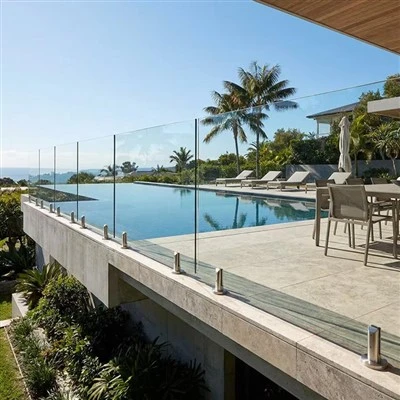
As a supplier, we offer a wide range of stainless steel railing systems. We have Stainless Steel and Glass Balustrade, which combines the strength of stainless steel with the elegance of glass. The stainless steel in these systems can resist temperature changes whether it's installed in a hot, sunny area or a cold, mountainous location.
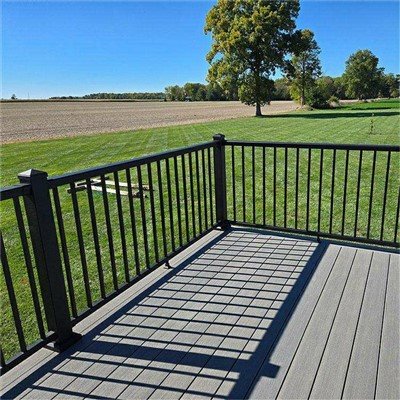
Our Aluminum Picket Railing also incorporates stainless steel components in critical areas, providing added strength and temperature resistance. The combination of aluminum and stainless steel makes it a durable option for different climates.
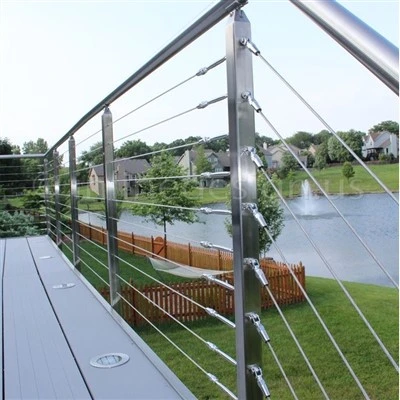
For those looking for a modern look for their decks, our Stainless Steel Cable Railing Systems For Decks are a great choice. The stainless steel cables and posts can handle the temperature variations that a deck may experience, from the heat of summer barbecue days to the cold of winter snowfalls.
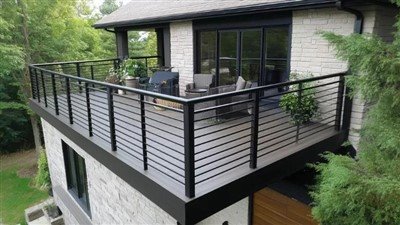
Our Stainless Steel Railing Systems in general are designed to meet the needs of various projects, whether it's a small residential balcony or a large commercial building. And our Metal Deck Railing Pickets are made of high - quality stainless steel, ensuring they can stand up to different temperature conditions.
Why Choose Our Stainless Steel Railing Systems?
When it comes to choosing a railing system, temperature resistance is just one factor. But it's an important one, especially if you live in an area with extreme temperature variations. Our stainless steel railing systems are not only temperature - resistant but also offer other benefits.
They are low - maintenance. Unlike some other materials that may require frequent painting or staining, stainless steel only needs occasional cleaning to keep it looking great. They are also very durable, which means you won't have to replace them often. And of course, they add a touch of elegance and modernity to any space.
How to Ensure the Best Performance
To ensure that your stainless steel railing system performs well in extreme temperatures, there are a few things you can do. First, make sure the installation is done correctly. A properly installed railing system will be more stable and better able to handle temperature - related stress.
Regular inspection is also important. Check for any signs of damage, such as scratches or dents. If you notice any issues, address them promptly. Small scratches can sometimes compromise the protective oxide layer, making the steel more susceptible to corrosion.


Contact Us for Your Railing Needs
If you're in the market for a high - quality, temperature - resistant railing system, we'd love to hear from you. Whether you're a homeowner looking to upgrade your balcony railing or a contractor working on a large project, our team can help you find the right stainless steel railing system for your needs. We can provide you with detailed product information, quotes, and installation advice. So, don't hesitate to reach out and start the conversation about your next railing project.
References
- "Stainless Steel: A Technical Guide" by ASM International
- "Corrosion and Corrosion Control" by Mars G. Fontana