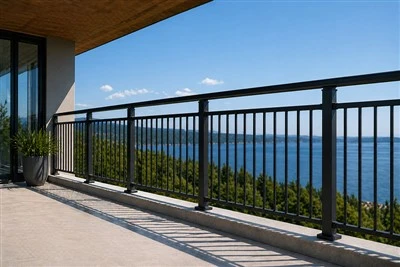
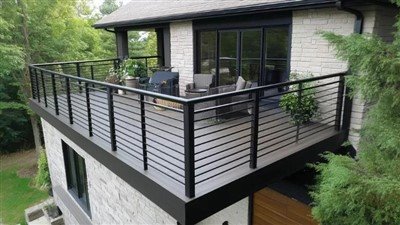
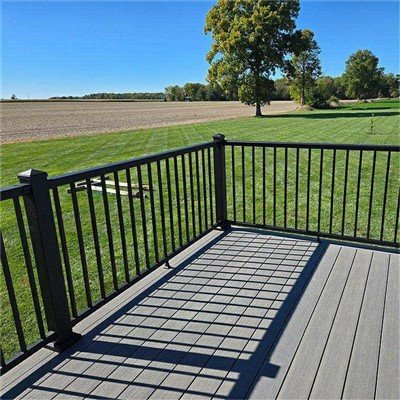
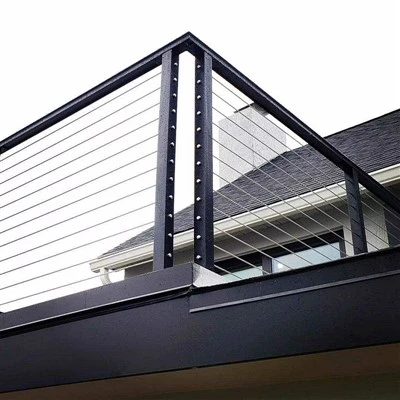
Stainless steel railings are widely used in construction, roads, bridges, and other fields due to their dual functions of protection and decoration. However, the quality of stainless steel railings on the market varies, and the following factors should be considered when selecting them:
Material Selection: The stainless steel material is the core factor determining the quality of the railing. Common materials include 201 and 304 stainless steel. 201 stainless steel has poor corrosion resistance and is prone to rusting in humid or corrosive environments; while 304 stainless steel has a high nickel content, excellent corrosion resistance, toughness, and strength, making it the first choice for producing high-quality stainless steel railings. When selecting, you can ask the seller to provide material certification documents or use a stainless steel testing solution for preliminary judgment.
Surface Treatment: High-quality stainless steel railings should have a smooth and flat surface, free from scratches, sand holes, air holes, and other defects. Surface treatment processes are diverse. For example, polishing makes the railing surface bright and mirror-like, with high aesthetic appeal but prone to fingerprints; brushing gives the railing a delicate texture, is aesthetically pleasing, and can cover minor scratches; electroplating enhances the railing's corrosion resistance and wear resistance. When selecting railings, carefully observe the uniformity of their surface color and feel their smoothness and texture.
Structural Design: The structural design of a railing directly affects its safety and stability. A high-quality railing should have a reasonable structure, with strong welds and no incomplete or missing welds. Horizontal and vertical bars should be tightly connected without looseness or wobbling. Furthermore, the height, spacing, and other parameters of the railing must meet relevant standards and usage requirements. For example, the height of railings in places like stairs and balconies should generally not be less than 1.05 meters, and the spacing between vertical bars should not be greater than 0.11 meters. When selecting, you can shake the railing to check its stability and observe whether there are any defects in the welds.
Thickness Specifications: The thickness of the railing is also an important factor affecting its quality. The thicker the pipe, the better the strength and durability. Different usage locations and environments have different requirements for railing thickness. For example, in harsh environments such as outdoors and coastal areas, thicker railings should be selected. When selecting, you can use calipers or other tools to measure the pipe thickness to ensure it meets the requirements.