As a seasoned supplier of stainless steel railing, I've witnessed firsthand how the size of a railing project can significantly impact its cost. In this blog, I'll delve into the various factors related to size that influence the cost of stainless steel railing, providing insights for those planning their next railing installation.
Understanding the Basics of Stainless Steel Railing Costs
Before we explore the impact of size, it's essential to understand the basic components that contribute to the cost of stainless steel railing. The raw material cost of stainless steel is a significant factor. Different grades of stainless steel, such as 304 and 316, have different prices, with 316 being more corrosion - resistant and generally more expensive. Labor costs also play a crucial role, as the installation of railing requires skilled workers. Additionally, there are costs associated with finishing, such as polishing or powder - coating, and any additional accessories like posts, brackets, and fasteners.
Length of the Railing
One of the most obvious size - related factors affecting the cost is the length of the railing. The longer the railing, the more stainless steel material is required. For example, if you're installing a railing for a large deck or a long balcony, you'll need more linear feet of railing sections.
Let's assume a standard price per linear foot of stainless steel railing. For a simple, straight railing, the cost might be around $[X] per linear foot. If you have a 10 - foot railing, the material cost alone would be $[X * 10]. However, if you need a 50 - foot railing, the material cost jumps to $[X * 50].
Moreover, longer railings often require more support posts. The spacing between posts is typically determined by local building codes, but generally, for a standard railing, posts are placed every 4 to 6 feet. So, a longer railing will need more posts, which adds to the cost. Each post has its own material cost, and the labor to install them also contributes to the overall expense.
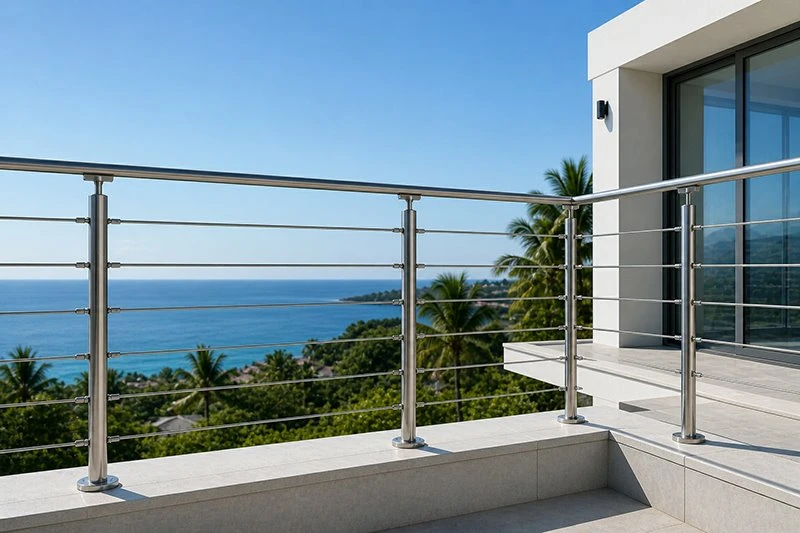

Height of the Railing
The height of the railing is another size - related aspect that affects the cost. Building codes usually specify a minimum height for railings, often around 36 to 42 inches for residential applications. However, if you choose a taller railing, say 48 inches or more, it will require more stainless steel material.
A taller railing also means that the balusters (the vertical components between the top and bottom rails) will be longer. This not only increases the material cost but also the labor cost for cutting and installing the balusters. For instance, if the balusters for a 36 - inch railing cost $[Y] each, and you increase the height to 48 inches, the cost per baluster might increase to $[Y + Z] due to the additional material and processing.
Complexity of the Design Based on Size
The size of the railing can also influence the complexity of the design. A large - scale railing project, such as for a commercial building or a multi - level structure, may require more intricate designs. For example, a long, winding railing on a staircase or a large - diameter circular railing around a rooftop patio will demand more precision in fabrication.
Complex designs often mean more waste of stainless steel material during the cutting and shaping process. The labor required to create these complex shapes is also more intensive, as workers need to use specialized tools and techniques. This all adds up to a higher cost.
Quantity and Bulk Pricing
When it comes to size, the quantity of railing you order also matters. As a supplier, I offer bulk pricing for larger orders. If you're a contractor working on a large construction project or a developer building multiple units, ordering a large quantity of stainless steel railing at once can result in significant cost savings.
For example, if you order 100 linear feet of railing, you might get a discount of [A]% compared to ordering 10 linear feet. This is because the cost of production, such as setting up the manufacturing equipment, is spread over a larger quantity. However, it's important to note that storing a large quantity of railing can also incur additional costs, such as storage fees and potential damage during storage.
Impact of Size on Installation Costs
The size of the railing project can have a substantial impact on installation costs. Larger railings often require more time and effort to install. For a small balcony railing, the installation might take a single worker a day or two. But for a large - scale commercial railing project, such as around a shopping mall atrium or a high - rise building, it could take a team of workers several weeks to complete.
Moreover, larger railings may require specialized equipment for installation. For example, a very tall or long railing might need a crane to lift and position the sections. The rental cost of this equipment is an additional expense that is directly related to the size of the railing.
Comparing Different Railing Types Based on Size
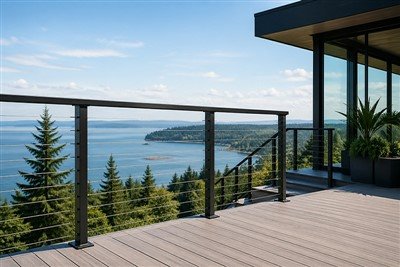
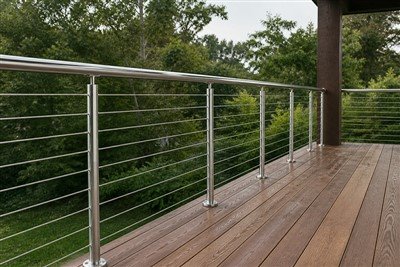
There are various types of stainless steel railing available, and their costs can vary depending on size. For instance, Stainless Steel Deck Railing is a popular choice for residential decks. It usually has a simple design and is available in standard sizes. However, if you need a custom - sized deck railing, the cost will increase due to the additional fabrication work.
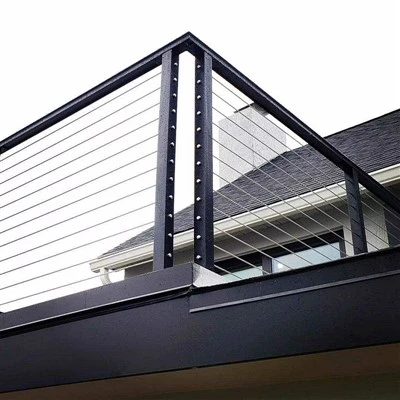
Stainless Steel Railing Systems offer more flexibility in terms of design and size. These systems can be used for both residential and commercial applications. The cost of a stainless steel railing system can be higher for larger sizes, especially if it includes complex components like curved rails or decorative elements.
Aluminum Picket Railing is another option. While aluminum is generally less expensive than stainless steel, the cost still varies with size. Larger aluminum picket railings will require more material and labor for installation.
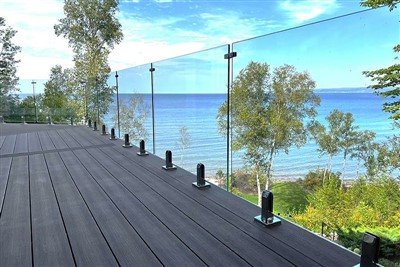
Stainless Steel and Glass Balustrade is a high - end option. The cost of a glass balustrade is significantly affected by the size of the glass panels. Larger glass panels are more expensive to manufacture and transport, and they also require more robust stainless steel support structures.
Metal Deck Railing Pickets are used to add a decorative touch to deck railings. The cost of these pickets depends on their size and the quantity needed. Larger pickets or a large number of pickets will increase the overall cost of the railing.
Conclusion and Call to Action
In conclusion, the cost of stainless steel railing varies significantly by size. Factors such as length, height, design complexity, quantity, and installation requirements all play a role in determining the final cost. Whether you're a homeowner looking to install a railing for your deck or a contractor working on a large - scale project, understanding these size - related cost factors is crucial for budgeting.
If you're interested in purchasing stainless steel railing for your project, I encourage you to reach out. We can discuss your specific size requirements, design preferences, and budget. Our team of experts is ready to provide you with a detailed quote and help you choose the best railing solution for your needs.
References
- "Stainless Steel Handbook" by ASM International
- Industry reports on construction materials costs